Why You Should Choose a Battery Backup Inverter for Your Power Needs?
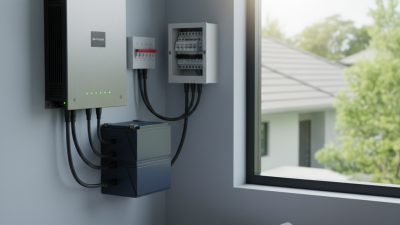
In today's world, reliable power supply is crucial. Power outages can disrupt daily activities and cause significant inconvenience. This is where a Battery Backup Inverter shines. It ensures that you have power during outages, providing peace of mind.
A Battery Backup Inverter offers the ability to keep your essential devices running. Lights, refrigerators, and medical equipment can remain operational. This device allows for a seamless transition from grid power to battery power. However, it's essential to assess your specific power needs. Not all systems can support high energy demands.
Choosing the right Battery Backup Inverter requires careful thought. Factors such as capacity, efficiency, and installation can vary widely. Sometimes, people opt for cheaper models without considering their long-term needs. This can lead to frustrating situations. Investing in a quality inverter is not just a decision; it's a commitment to reliability in uncertain situations. Take your time to reflect on what suits you best.
Understanding Battery Backup Inverters and Their Functionality
Battery backup inverters are vital for maintaining power supply during outages. They convert DC power stored in batteries to AC power, providing a reliable alternative. According to a report by the International Renewable Energy Agency, nearly 15% of the world's population experienced unreliable electricity in 2021. This highlights a growing need for efficient power solutions that ensure continuity during disruptions.
These inverters can work with various battery types, including lithium-ion and lead-acid. They allow homes to harness solar energy or store grid electricity. Some estimates suggest that battery storage systems could reduce energy costs by up to 40% over time. Despite these advantages, many people still hesitate to invest. Initial costs can be significant, and the technology is evolving rapidly, making it hard to choose the right system.
Understanding the functionality of battery backup inverters is essential. They can provide power immediately after an outage, minimizing disruption. However, sizing them correctly is critical. Oversized systems can lead to inefficiencies, while undersized systems may not meet your needs. Many users face challenges in balancing these factors. It's an area worth deeper reflection for those considering this investment.
Key Benefits of Battery Backup Inverters for Home and Business Use
When considering power solutions, battery backup inverters offer remarkable advantages for homes and businesses. These systems store energy, providing a reliable power source during outages. Imagine your home illuminated despite a storm outside. That’s the peace of mind a backup inverter brings.
Battery backup inverters are versatile. They can power essential appliances, charge devices, and even support whole-home systems. This flexibility is crucial for businesses, where downtime can lead to lost revenue. Think about a small shop that relies on refrigeration. A power interruption can spoil goods quickly. With a battery backup inverter, that risk is minimized.
However, there are challenges. Initial setup costs can be high. Maintenance requires planning and effort. Users must understand their energy needs thoroughly. A poorly sized system can lead to unexpected failures. The importance of proper installation and regular checks cannot be overstated. Overall, the reliability and efficiency of battery backup inverters make them invaluable.
Why You Should Choose a Battery Backup Inverter for Your Power Needs? - Key Benefits of Battery Backup Inverters for Home and Business Use
| Benefit |
Description |
Application |
| Uninterrupted Power Supply |
Provides continuous power during outages, ensuring that essential appliances remain operational. |
Home and office environments. |
| Energy Savings |
Reduces electricity bills by storing energy during low-cost periods for usage during peak times. |
Residential and commercial settings. |
| Eco-Friendly |
Supports the use of renewable energy sources by enabling the storage of solar energy. |
Homes with solar panel systems. |
| Versatility |
Can power a wide range of devices, from small electronics to heavy machinery. |
Variety of applications in different sectors. |
| Low Maintenance |
Requires minimal maintenance compared to traditional generators. |
Ideal for users seeking convenience. |
How Battery Backup Inverters Enhance Power Reliability and Security
A battery backup inverter is essential for enhancing power reliability and security. It acts as a safety net during power outages. When the grid fails, your systems stay operational. This ensures that critical devices like refrigerators and medical equipment remain powered. Imagine the chaos of a blackout; without backup, food spoils and important tasks halt.
Battery backup inverters also provide peace of mind. They can recharge using renewable sources, like solar panels. This means you can harness clean energy even when the grid goes down. However, managing these systems can be tricky. Sometimes, users forget to check battery levels or maintenance needs. Regular monitoring is crucial to ensure they work when needed most.
These inverters can enhance energy independence. With a backup, reliance on the grid decreases. But it’s not without challenges. Initial costs may seem high. They require a commitment to installation and upkeep. Users must also think about the inverter's sizing. Too small, and it won’t meet demand; too large, and it’s wasteful. Reflecting on these aspects can lead to better decisions for your power needs.
Power Reliability and Security Enhancements with Battery Backup Inverters
This bar chart illustrates the reliability enhancements offered by battery backup inverters across different power needs, highlighting the percentage of users who reported improved security and reliability in their power supply.
Factors to Consider When Choosing a Battery Backup Inverter
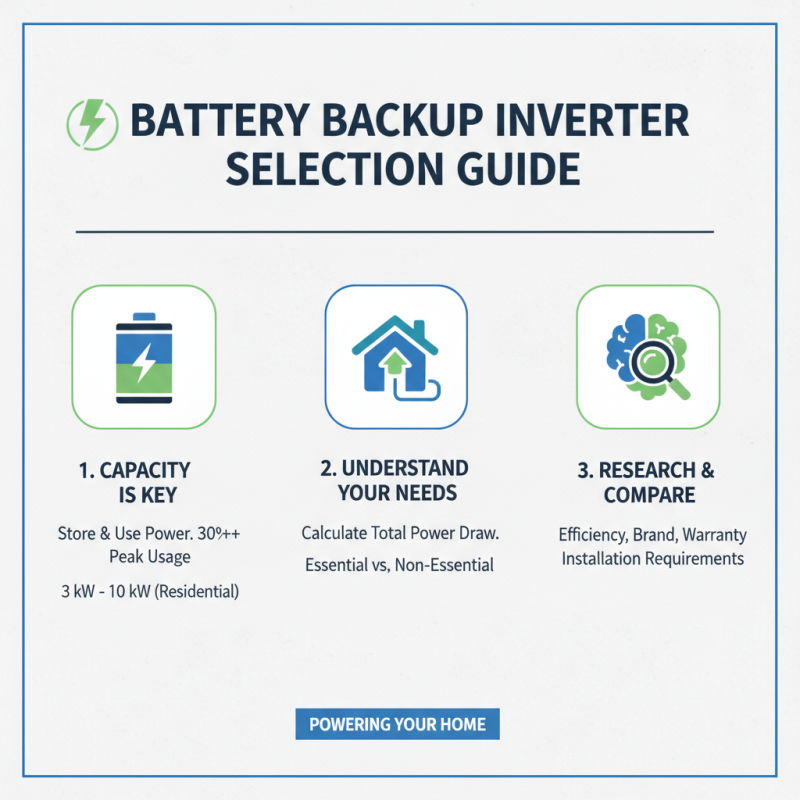
When selecting a battery backup inverter, several key factors stand out. Capacity is crucial. It determines how much power you can store and use during outages. You might need a system that can handle at least 30% more than your peak usage. Reports show that residential systems often range from 3 kW to 10 kW, but understanding your specific needs is vital.
Another important aspect is efficiency. Look for inverters with high conversion rates. Systems with efficiency ratings above 90% can significantly reduce energy waste. This translates into lower electricity bills. It’s been found that efficient models can add up to $300 savings annually for an average household.
Finally, consider the inverter's features. Some come with monitoring systems that allow real-time energy usage tracking. Incorporating smart technology can enhance your system’s performance. However, not all models offer these capabilities. Evaluating your environment and future needs is essential. Many customers overlook this, leading to regrets later. The right choice can make a difference in long-term satisfaction.
Comparing Battery Backup Inverters with Traditional Power Solutions
When comparing battery backup inverters and traditional power solutions, several factors stand out. Traditional systems often rely on a constant power supply. They may struggle during outages or fluctuating demand. Research from the Energy Information Administration indicates that power outages have risen by 150% over the last decade. As a result, the need for reliable backup power has become critical.
Battery backup inverters offer unique advantages. They provide clean, uninterrupted power during outages. These systems can store solar energy, making them eco-friendly options. According to a report by the National Renewable Energy Laboratory, homes with battery backup systems can reduce energy costs by up to 30%. This statistic highlights how adopting this technology can lead to significant savings.
However, battery systems are not without challenges. Initial investment can be high. Additionally, battery lifespan is limited, often ranging from 5 to 15 years, depending on usage. This can lead to extra costs for replacements. Homeowners must weigh these drawbacks against the benefits. It’s essential to consider your energy needs and local power reliability when making a choice.