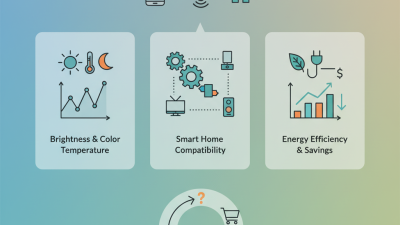
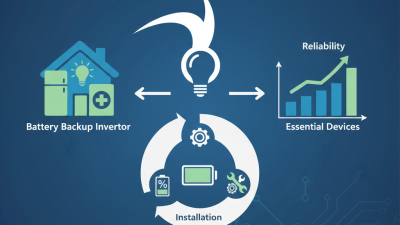
How to Choose the Best Hybrid Inverter for Your Needs?
Choosing the best Hybrid Inverter can be challenging. The right decision impacts your energy efficiency and savings. According to a recent report by the International Renewable Energy Agency (IRENA), hybrid inverters can improve solar energy utilization by over 30%. This statistic highlights the advantages of selecting the right model for your unique needs.
Industry expert Dr. Emily Thompson emphasizes, "The choice of a Hybrid Inverter should align with your energy goals and specific applications." Her insights underline the importance of understanding both your energy consumption patterns and the technical specifications of hybrid inverters. The market is filled with various options, each boasting different features, which can be overwhelming.
Being aware of consumer needs is critical in this sector. A survey by EnergySage shows that 42% of homeowners prioritize energy independence as a main factor when choosing their inverter systems. However, many struggle to navigate the complexities of hybrid inverter features. As the industry evolves, staying informed will help make the best choice for your energy future.

Understanding Hybrid Inverters and Their Benefits
Hybrid inverters play a crucial role in modern energy systems, combining solar power generation with storage capabilities. This versatility allows users to harness renewable energy while ensuring a continuous power supply. A reliable hybrid inverter optimizes energy consumption by managing the flow between solar panels, batteries, and the grid. Its ability to switch between these sources enhances efficiency and reduces reliance on fossil fuels.
When selecting a hybrid inverter, consider your specific energy needs. Assess your electricity consumption patterns, peak demand times, and the size of your solar array. These factors inform your choice of inverter capacity. Additionally, examine features like grid-tie capability and advanced battery management. Without thorough research, you may overlook essential specifications that could lead to inefficiencies in energy use.
Understanding the benefits of hybrid inverters is crucial. They improve energy independence and contribute to a sustainable future. However, not all inverters meet the same standards of performance. Users should be wary of overly optimistic claims and take time to review independent assessments. Balancing initial costs against long-term savings is vital. Every household or business has unique requirements; make informed decisions to avoid potential pitfalls.
Comparison of Hybrid Inverter Efficiency Ratings
This chart illustrates the efficiency ratings of various hybrid inverters. Higher efficiency ratings indicate better performance and energy conversion capability. When choosing a hybrid inverter, consider efficiency alongside other factors such as price, warranty, and additional features.
Key Factors to Consider When Choosing a Hybrid Inverter
When selecting a hybrid inverter, consider key factors that can impact performance and longevity. One crucial aspect is the inverter's efficiency rating. A higher efficiency means lower energy losses during conversion. Data indicates that modern hybrid inverters can achieve efficiencies exceeding 95%. This directly correlates to energy savings over time, enhancing the overall return on investment.
Another important factor is the inverter's rated power and capacity. Ensure it aligns with your energy consumption needs. A unit that is underpowered can lead to frequent overloads, potentially causing damage or reduced lifespan. Conversely, an oversized inverter may result in unnecessary costs. It’s vital to analyze your energy requirements comprehensively. Some reports suggest that users often underestimate their peak energy demands, leading to suboptimal choices.
Battery integration is also a significant consideration. The inverter must be compatible with the types of batteries in use. Incorrect pairing may lead to inefficiencies or even system failures. Studies show that nearly 30% of users face issues due to mismatched inverter and battery systems. This highlights the importance of thorough research and planning before making a decision.
Evaluating Energy Needs: Sizing Your Hybrid Inverter
When evaluating energy needs for a hybrid inverter, size is crucial. The first step is to assess your total energy consumption. Examine past utility bills to calculate average monthly usage. This figure helps determine the inverter capacity required for your home. Many people often underestimate their needs. A careful evaluation can prevent future shortcomings.
Consider your peak power demand too. Some appliances draw more energy when they start, like air conditioners or refrigerators. Make sure your inverter can handle these spikes. This can be the difference between an efficient system and frequent outages. Balancing daily averages with peak demands is essential.
It’s also vital to think about future expansions. If you plan to add more devices or an electric vehicle, account for this growth. Overestimating can lead to higher costs, but underestimating might result in inconvenience. Your energy needs should not only reflect today but also ten years down the line. Remember, this choice affects how you live and spend energy in your home.
Comparing Features: Battery Compatibility and Efficiency Ratings
When selecting a hybrid inverter, two critical features are battery compatibility and efficiency ratings. Battery compatibility determines whether the inverter can work with your current or future battery systems. Many inverters support lithium-ion batteries, which offer a longer lifespan and faster charging. However, certain models are tailored specifically for lead-acid batteries. The choice of battery can significantly influence overall system performance.
Efficiency ratings, often expressed as a percentage, indicate how well an inverter converts DC power from solar panels into AC power for home use. According to industry reports, inverters with efficiency ratings above 95% are ideal for maintaining energy loss at a minimum. Even a small difference in efficiency can result in significant energy savings over time. For instance, a 1% increase in efficiency can lead to an additional 30–50 kWh production annually, which can translate into cost savings, especially in areas with high energy prices.
It's essential to consider the specific energy needs of your household. A more efficient inverter may have a higher upfront cost but can provide better long-term benefits. Be cautious when choosing an inverter that promises high efficiencies without a reliable testing history. Always check certification and performance data from trusted sources in the renewable energy sector.
Budget Considerations: Cost vs. Features in Hybrid Inverters
When selecting a hybrid inverter, budget is essential. Often, features determine the price, and understanding this is crucial. A low-cost inverter might lack various functions. It could miss out on advanced monitoring or efficient energy management. Consider what you genuinely need versus what may seem appealing.
The balance between cost and features can be tricky. Some inverters offer extensive functionality, but at a higher price. It's vital to evaluate if those features align with your energy needs. A basic model may suffice for less demanding setups. Investing in high-end options could lead to unnecessary expenses. Ask yourself, is this feature truly beneficial for my situation?
Think about future needs too. As renewable energy usage rises, flexibility becomes crucial. An inverter that supports expansions or upgrades can be worth the initial cost. Reflect on your energy goals. Are you planning for more solar panels or a battery system later? Creating a budget that accommodates potential growth is wise, even if it feels overwhelming now.
How to Choose the Best Hybrid Inverter for Your Needs? - Budget Considerations: Cost vs. Features in Hybrid Inverters
| Inverter Model |
Cost ($) |
Rated Power (kW) |
Efficiency (%) |
Features |
| Model A |
1200 |
3.5 |
95 |
Grid-tie, Off-grid, Wi-Fi Monitoring |
| Model B |
1500 |
5.0 |
97 |
Hybrid, Split Phase, Remote Management |
| Model C |
1800 |
6.5 |
96 |
Backup Mode, Mobile App, Multi-Function |
| Model D |
2200 |
8.0 |
98 |
Smart Load Management, DC Coupled, High Voltage |
| Model E |
2600 |
10.0 |
99 |
Real-Time Monitoring, Battery Management, Dual Input |