Best Inverter for Boat Buying Guide for Global Importers?
The selection of the right inverter for a boat can significantly impact your marine experience. According to a recent report by Industry Research, the global marine inverter market is projected to grow at a CAGR of 5.2% from 2023 to 2030. This growth reflects the increasing reliance on electronic devices aboard vessels. With more boaters using electrical appliances, understanding how to choose the best inverter for boats becomes crucial.
Choosing the right inverter for boat usage involves considering various aspects like power output, size, and efficiency. The best inverters efficiently convert DC power to AC power while ensuring minimal energy loss. A reliable inverter not only provides power but also enhances safety onboard. In fact, a poorly chosen inverter can lead to device malfunction or even electrical fires, emphasizing the need for informed decisions.
There’s a diversity of brands and models available, so it's important to research options carefully. Look for inverters that have received positive feedback from experienced boaters. The right choice involves evaluating features, warranty, and customer support. This process might seem overwhelming, and that's normal. However, informed choices will lead to greater satisfaction and safety on the water.
Best Inverter Types for Marine Applications: A Comprehensive Overview
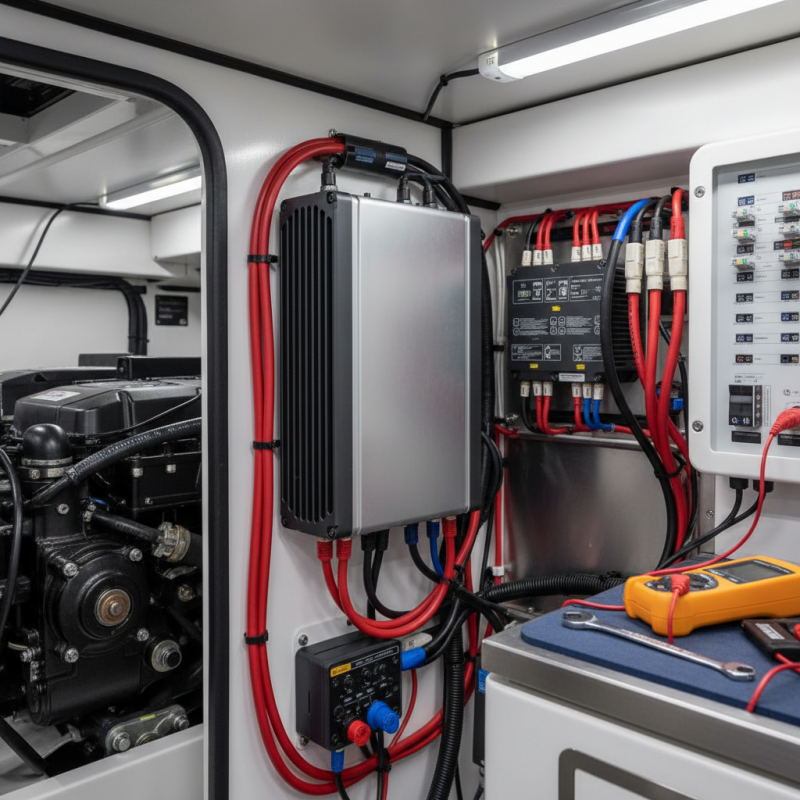
Choosing the right inverter for marine applications is essential for boat owners. Marine inverters convert DC power from the boat's battery into AC power, enabling the use of standard household appliances onboard. Several types of inverters cater to different needs, including pure sine wave, modified sine wave, and off-grid inverters.
Pure sine wave inverters are ideal for sensitive electronics like computers. They provide smooth and clean power, reducing the risk of damage. Modified sine wave models are more affordable and suitable for basic appliances. However, they can cause issues with some devices, leading to inefficiencies. Off-grid inverters shine in remote settings, allowing for energy independence.
It's vital to consider factors like power output, installation space, and budget. Marine environments can be harsh, and reliability is crucial. A lower-quality inverter may fail in demanding conditions. Research and an understanding of specific needs can lead to better investment choices. Always evaluate options to ensure safety and efficacy on the water.
Key Specifications to Consider When Selecting a Boat Inverter
When choosing a boat inverter, several key specifications play a crucial role. The inverter type is a major factor. You commonly find pure sine wave and modified sine wave inverters. Pure sine wave inverters are ideal for sensitive electronics. However, modified sine wave inverters can be more affordable. Assessing your power needs is also vital. Determine the total wattage of devices onboard. Calculate potential peak loads, as inverters can only supply limited power at once.
The efficiency rating matters too. Higher efficiency means less energy loss, which translates to longer battery life. Check the inverter's surge capacity, as it handles momentary power spikes. Make sure it has adequate safety features. Overload protection can prevent damage to both the inverter and your devices. Noise levels can be an overlooked aspect. A quiet inverter can enhance onboard comfort, especially during long trips.
Reading user reviews can provide insight into real experiences. Some may have faced challenges with certain models. Reflecting on these can help you make a more informed decision. Understanding wattage and surge ratings is not always straightforward. Seek guidance from professionals if uncertain. This approach ensures you invest wisely in the right equipment for your boating adventures.
Best Inverter for Boat - Key Specifications Comparison
This chart illustrates the key specifications to consider when selecting a boat inverter, including power rating, efficiency, weight, price, and warranty period. These factors are crucial for global importers looking to make informed decisions in their purchases.
Industry Standards and Certifications for Marine Inverters Explained
When choosing a marine inverter, understanding industry standards is crucial. Inverters must meet specific requirements to ensure safety and efficiency. Key certifications to look for include UL, CE, and ISO. These marks indicate compliance with rigorous testing and safety protocols. A UL-certified inverter ensures it has undergone a series of evaluations for electrical safety, protecting users from potential hazards.
The installation environment for marine inverters poses unique challenges. Saltwater exposure and vibration should be considered. An inverter with marine certifications often indicates its resilience against these conditions. However, not all inverters are created equal. Buyers should evaluate the inverter’s specifications, such as surge capability and continuous power rating. These factors can drastically impact performance during critical moments at sea.
Marine inverters should ideally have a dry, ventilated installation area. Neglecting this aspect can lead to overheating and decreased performance. Moreover, understanding the inverter's compatibility with batteries is vital for long-term reliability. Manufacturers may not always provide clear information. Thus, buyers must conduct thorough research to ensure proper integration. Attention to these details can prevent issues later. Remember, a reliable inverter is essential for safe and efficient boating experiences.
Cost Analysis: Budgeting for Inverter Purchase and Installation
When budgeting for an inverter purchase and installation, it is crucial to assess both initial costs and ongoing expenses. The inverter itself can vary widely in price based on capacity and features. Expect to pay between $100 and $1,500. Installation costs also range significantly. Hiring a professional can add another $200 to $800. Make sure to include any necessary wiring and accessories in your budget.
Tips: Research inverter types that best suit your boat's power needs. Look for inverters with
good efficiency ratings to save on energy costs. Additionally, consider installation complications that may arise. Choosing the right inverter can minimize future adjustments.
While planning, don't overlook potential hidden costs. Consider fluctuations in shipping fees for imported equipment. Being aware of import duties can also influence your overall budget. Set aside some funds for unexpected repairs or replacements. Though the task may seem overwhelming, careful planning helps ensure a successful purchase and installation process.
Brand Comparisons: Top Inverter Manufacturers for Global Importers
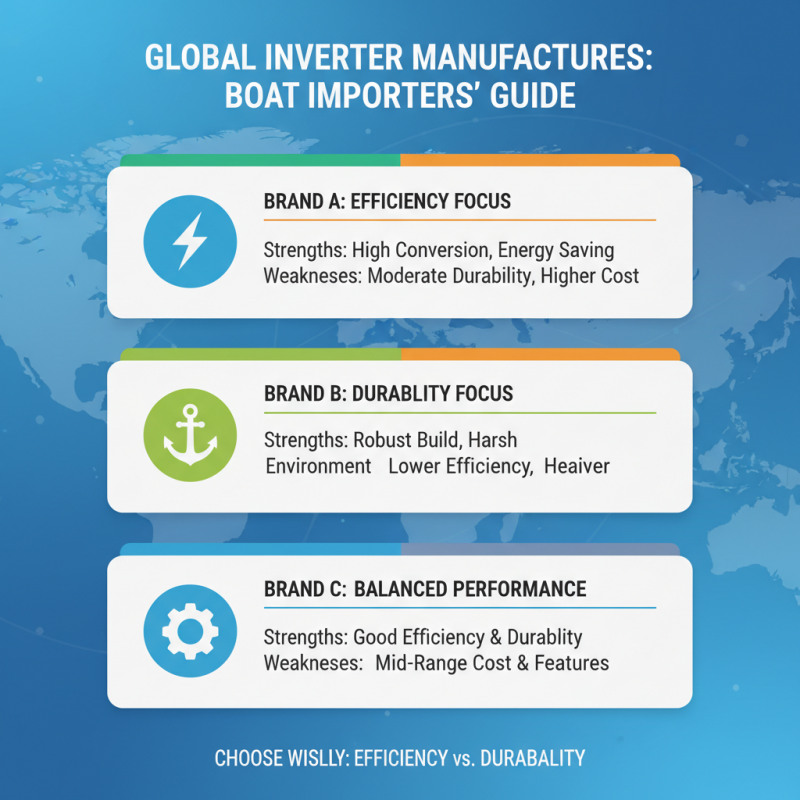
When choosing an inverter for a boat, understanding the leading manufacturers is key. Different brands offer a range of features. Some focus on efficiency, while others prioritize durability. Examining the strengths and weaknesses of each can help importers make informed decisions.
One popular manufacturer emphasizes lightweight designs, making their inverters easy to install. However, some users have reported issues with noise levels. In contrast, another brand is known for its robust construction. Yet, it tends to be heavier and may not suit all vessels. Evaluating these trade-offs is essential for global importers.
Brand comparisons are critical. Trustworthy reviews from seasoned boaters can provide insight that specifications alone cannot deliver. Look for feedback on performance in harsh conditions. Consider the warranty and customer support offered by each company. A solid guarantee can reflect confidence in product quality. Ultimately, balancing power output with reliability will ensure you select the right inverter for your boating needs.