How to Choose the Best Home Backup Inverter for Your Needs?
In recent years, the demand for reliable power solutions has surged, leading to heightened interest in Home Backup Inverters. According to a 2022 market report, the global market for backup power systems is projected to reach $20 billion by 2028. This suggests a growing awareness of the importance of energy independence in homes. As John Smith, a leading expert in energy solutions, says, "Investing in a high-quality Home Backup Inverter can safeguard your home against power outages."
Choosing the right Home Backup Inverter is not just about picking a popular model; it requires careful consideration of various factors. Prospective buyers often face uncertainty regarding capacity, efficiency, and installation requirements. For instance, understanding whether the inverter meets specific energy needs during an outage can be challenging for many consumers. As technology evolves, so do the complexities in selecting an inverter that aligns perfectly with individual needs.
It's crucial to recognize that not every Home Backup Inverter will be ideal for everyone. Factors such as household size, electrical load, and budget all play vital roles. Thus, potential buyers should critically evaluate their specific requirements. This careful deliberation can make a significant difference in ensuring the reliability and performance of the chosen inverter.
Understanding Your Power Needs and Load Requirements
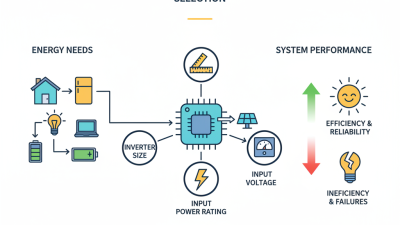
Understanding your power needs and load requirements is essential when choosing a home backup inverter. Begin by assessing the appliances you need to power during an outage. Create a list of items like refrigerators, lights, and medical equipment. Note their wattage ratings, as these figures guide your inverter selection.
Consider both running and starting wattages. Some appliances require more power to start. For example, a refrigerator may need twice its running wattage to begin. It's crucial to factor this into your calculations. Make sure to add a buffer for unexpected loads. This initial process can be daunting, but it helps clarify your needs.
Reflect on your daily usage habits. Think about how long you need power during outages. Will you run everything full-time, or just essentials? This reflection will guide the inverter size. Balancing your immediate needs with future considerations may feel complicated. Strive for a solution that accommodates potential growth, such as new devices or expanded usage. Your choice should reflect a confident understanding of both current and future needs.
Power Requirements for Home Backup Inverters
Types of Home Backup Inverters: Pros and Cons
When selecting a home backup inverter, understanding the types available is crucial. There are three main types:
pure sine wave, modified sine wave, and square wave inverters. Each has its own pros and cons.
Pure sine wave inverters efficiently power devices like refrigerators and medical equipment. They produce clean, stable electricity, ensuring your appliances function correctly. However, they tend to be more expensive and complex.
Modified sine wave inverters are cheaper but may not run all devices smoothly. They work well for basic electronics but could struggle with more sensitive equipment.
Square wave inverters are the least common. They are simple and inexpensive but only support basic devices.
Tips: Consider your energy needs before buying. Make a list of critical appliances you want to support. Understand the wattage required to avoid under or overloading your inverter. Evaluate your budget. While lower-priced options exist, investing in a quality inverter can save money and inconvenience in the long run.
Key Features to Consider When Choosing an Inverter
When selecting a home backup inverter, there are key features that require attention.
The power output is crucial. Assess your home's energy needs. For example, a report from the Solar Energy Industries Association indicates that most households require an inverter with a capacity of at least 3,000 watts for essential appliances. Consider surge capacity as well. Many devices, like refrigerators, need extra power during startup.
Efficiency is another vital factor. Aim for inverters with an efficiency rating above 90%. This ensures minimal energy loss. Research shows that higher efficiency translates to long-term savings on energy bills. Additionally, the type of inverter matters. Modified sine wave inverters are cheaper but may not power all devices well. Pure sine wave inverters, though pricier, perform better and are more reliable.
Tip: Always check for inverter certifications. Look for standards like UL 1741. This ensures safety and reliability. Consider features such as battery compatibility, ease of installation, and user-friendly monitoring systems. Lastly, consult user reviews and expert analyses to gauge performance and longevity before making a decision. This will lead to a more informed purchase.
Assessing Battery Compatibility and Capacity
When choosing a home backup inverter, assessing battery compatibility and capacity is crucial. A reliable inverter must align with your specific energy needs. According to industry reports, a typical household uses about 30 kWh per day. Consider how long you want the inverter to power your home during an outage.
Battery capacity, measured in amp-hours (Ah), determines how long an inverter can supply power. The total watt-hour calculation (voltage x Ah) gives insight into energy storage. For example, a 12V battery rated at 100Ah can store 1,200 watt-hours. Ensure your inverter can handle this demand effectively.
Tip: Calculate your total wattage requirements. List all essential devices you want to power during an outage. This list helps you determine the right inverter size and battery capacity needed.
Leave room for adjustment in your calculations. Load fluctuations occur, especially with appliances like refrigerators. Their startup wattage can be higher than running wattage, leading to potential overloading. Always factor in a buffer when assessing your needs.
Tip: Check the discharge rate of your battery. Some batteries can deliver high bursts of power, while others may struggle. Understanding this can significantly impact your system's reliability.
Installation, Maintenance, and Warranty Considerations
When choosing a home backup inverter, installation matters significantly. Proper installation ensures optimal performance and longevity. It requires understanding your home's electrical system.
If uncertain, hire a qualified electrician. This investment in professional installation pays off. A poorly installed inverter can lead to various issues. Electrical safety is at stake.
Maintenance is another key factor. Regular checks can prevent more significant problems later.
Ensure the inverter is clean and free from dust. Check connections for wear or corrosion. Many overlook this, but it impacts efficiency.
Documentation can help track maintenance history. Some resources offer guidelines for DIY maintenance.
Warranty considerations also deserve attention. A robust warranty indicates manufacturer confidence. Typically, it covers parts and labor for a specific period.
Read the fine print to understand what is covered. Sometimes, warranties come with conditions. Knowing these helps avoid future surprises.
A good warranty can provide peace of mind. Understanding these elements can empower you to make an informed choice.