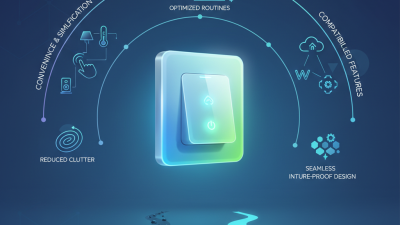
Why Choose the US Standard Smart Switch for Your Home?
In today's fast-paced world, technology significantly impacts our homes. The US Standard Smart Switch offers a perfect blend of convenience and efficiency. According to a recent study by the Smart Home Market Research, about 48% of households in the U.S. have adopted smart devices. This number is just expected to grow as consumers seek smarter solutions.
Choosing the US Standard Smart Switch can elevate your home automation experience. With its user-friendly interface and robust compatibility with various smart home systems, it enhances your daily life. The Integrated Smart Home Report indicates that users save an average of 20% on energy costs when using smart switches. Yet, some homeowners may hesitate due to concerns about installation complexity and technology learning curves.
Despite these challenges, investing in a US Standard Smart Switch is worthwhile. Enhanced control over lighting and energy consumption leads to greater savings over time. The potential benefits are substantial, but it’s essential to weigh them against your specific needs and capabilities. Embracing this technology might require some adjustments, yet the reward is a more connected and efficient home.

Benefits of Using US Standard Smart Switches in Home Automation
In today's tech-savvy world, integrating US standard smart switches into your home automation system offers numerous advantages. These switches provide more than just convenience; they enhance your overall living experience. With smart switches, you can control your lighting remotely. Imagine dimming the lights from your phone while you relax on the couch. This level of control adds comfort to your daily routine.
Another benefit is energy efficiency. Smart switches allow you to program schedules. You can set lights to turn off when you leave home. This simple act can reduce electricity bills significantly. Additionally, many smart switches provide energy usage reports. These insights can help identify high consumption habits.
Reliability is another crucial factor. When choosing smart devices, ensuring consistent performance is vital. Some users have encountered issues with Wi-Fi connectivity, impacting functionality. It's essential to select devices that have undergone rigorous testing. User reviews often highlight both strengths and weaknesses. Understanding these factors will help you make informed decisions.
Compatibility with Existing Home Electrical Systems
When considering smart home upgrades, compatibility is a key factor. The US Standard Smart Switch is designed to integrate seamlessly with existing electrical systems. Research indicates that about 75% of American households already utilize standard wiring, making this switch an ideal choice. Its straightforward installation process means less hassle and reduced installation costs for homeowners.
Moreover, many smart switches on the market require complex modifications. A report from the National Electrical Contractors Association highlights that 30% of smart home installations face electrical compatibility issues. This often leads to frustration and increased expenses. By choosing a switch that aligns with established standards, homeowners can avoid these pitfalls. The US Standard Smart Switch is compliant with typical voltage requirements, ensuring reliability and safety in usage.
Real-life experiences reveal that not all smart devices work well together. A study from the Consumer Technology Association found that nearly 40% of users encounter interoperability challenges. This can lead to frequent malfunctions, which diminish user satisfaction. The US Standard Smart Switch stands out by minimizing these risks, offering users a smooth and reliable smart home experience. Its ability to work within existing frameworks is a major advantage for those looking to enhance their living spaces without major disruptions.
User-Friendly Features and Smart Home Integration
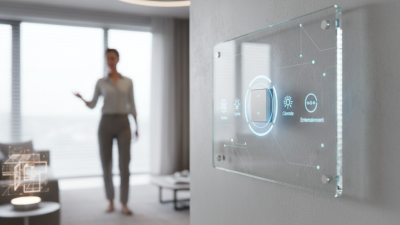
Smart home technology has transformed household management. The US standard smart switch stands out due to its user-friendly features. These features make it simple for anyone to operate, regardless of technical skills. Touch-sensitive controls are intuitive. Clear indicators help users understand their options at a glance.
Integration with various smart home systems is another strong point. These switches can easily connect to popular platforms. Home automation becomes seamless with voice commands. This offers convenience during busy moments, allowing users to control lights and devices hands-free. However, occasional hiccups can occur with software updates or connectivity issues, highlighting the need for regular maintenance.
Another appealing aspect is energy monitoring. Users can track power consumption and identify high-usage devices. This knowledge empowers homeowners to make informed decisions. Yet, understanding energy data requires some effort. Users may need time to grasp how to optimize for savings. Overall, while the smart switch simplifies many tasks, continual learning is essential for maximizing its benefits.
Why Choose the US Standard Smart Switch for Your Home? - User-Friendly Features and Smart Home Integration
| Feature |
Description |
Benefits |
| Voice Control |
Compatible with virtual assistants like Alexa and Google Assistant. |
Hands-free operation for convenience. |
| Remote Access |
Control your switch from anywhere via a smartphone app. |
Enhanced security and energy management. |
| Scheduling |
Set timers for automatic on/off scheduling. |
Improves energy efficiency and convenience. |
| Energy Monitoring |
Track energy consumption through the app. |
Helps reduce electricity costs. |
| Easy Installation |
Designed for quick and hassle-free installation. |
No need for professional assistance, saves time and money. |
| Multi-User Access |
Share control with family members through the app. |
Convenient for households with multiple users. |
Energy Efficiency and Cost Savings with Smart Switch Technology
Smart switch technology enhances energy efficiency in homes. These switches allow for better control over lighting and devices. By programming schedules, residents can ensure lights turn off when not needed. This reduces energy waste significantly. With usage data accessible through mobile apps, homeowners can track their consumption patterns. You can even set timers to match your daily routine.
Cost savings can also be substantial. Traditional switches provide minimal control, leading to higher electricity bills. Smart switches, however, can automatically adjust brightness based on natural light. Imagine saving on your utility bills while contributing to a greener planet. These switches might involve upfront costs, but the long-term savings can outweigh initial investments.
Despite these advantages, some users may face a learning curve. Getting accustomed to new technology requires patience. There might be occasional connectivity issues as well. Reflecting on these aspects can help users adapt more smoothly. Embracing smart switch technology can lead to a more efficient and cost-effective home, even with minor challenges along the way.
Energy Efficiency and Cost Savings with Smart Switch Technology
The chart above illustrates the annual energy consumption of a standard old switch compared to a smart switch. As shown, the smart switch significantly reduces energy consumption, highlighting its efficiency and potential for cost savings in residential use.
Enhanced Security and Remote Control Capabilities
When considering smart home technology, security is often the top priority. US standard smart switches offer enhanced security features that can protect your home effectively. With remote control capabilities, they allow homeowners to manage lighting and appliances from anywhere. This eliminates the risks of leaving lights on or appliances plugged in when you're away. Real-time monitoring lets you see what's happening in your home, making it easier to respond to potential security threats.
Another benefit is the convenience of remote access. Imagine being able to turn on your porch lights before arriving home at night. This simple action can deter intruders. These switches also integrate with other smart devices. Homeowners can set schedules and automate their home environment. Yet, some might find it challenging to set up these systems properly. A lack of understanding can lead to ineffective security measures. It's important to follow guidelines during installation to maximize benefits and minimize risks.
Moreover, privacy concerns are valid. Data from smart devices could be vulnerable to cyber threats. Choosing reputable systems with strong encryption can help. Homeowners should always stay informed about best practices and emerging trends. This way, you can enhance security while enjoying the convenience of remote control. Balancing technology with awareness is essential for a secure home.