Why Choose Zigbee Smart Home Technology for Your Connected Home?
In the realm of home automation, Zigbee Smart Home technology has emerged as a top choice for many. Experts like John Smith, a leading figure in smart home innovation, state, "Zigbee is not just about connectivity; it’s about creating a more efficient lifestyle." As households grow increasingly connected, the demand for seamless communication between devices becomes critical.
Zigbee Smart Home systems stand out due to their low power consumption and robust mesh network capability. This means devices can communicate efficiently without draining batteries quickly. However, some consumers may struggle to understand the nuances of setting up these systems. The complexity can be daunting for those unfamiliar with smart technology.
Incorporating Zigbee into your home brings tangible benefits. Imagine lights that adjust automatically based on sunlight or security cameras that alert you instantly. Yet, the installation and configuration process can sometimes be imperfect. It requires careful planning, and not all setups are foolproof. Still, the potential rewards of a fully connected, smart environment make it a worthwhile consideration.
Benefits of Zigbee Technology for Smart Home Automation
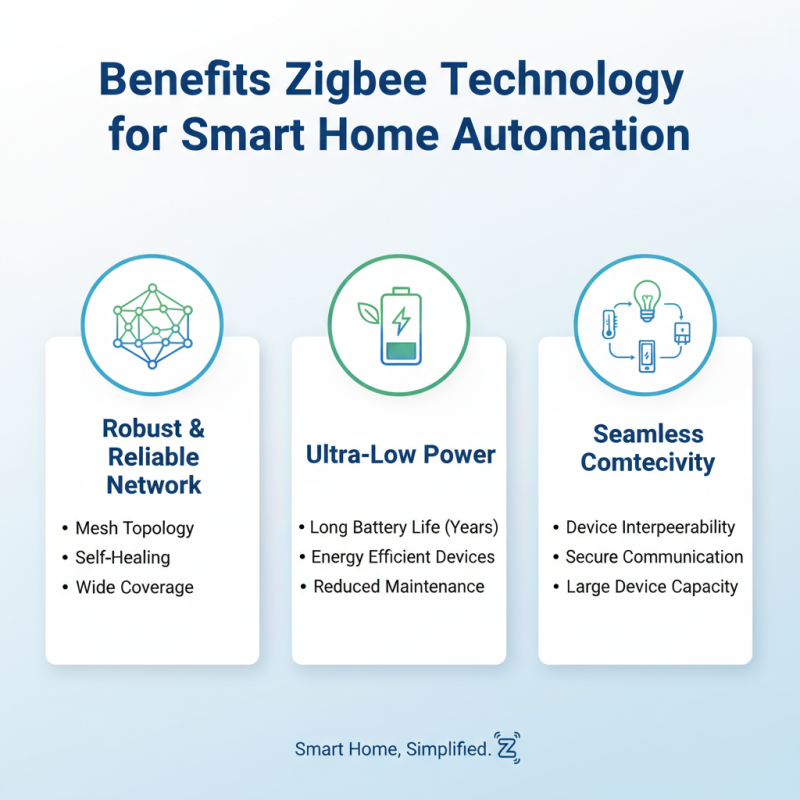
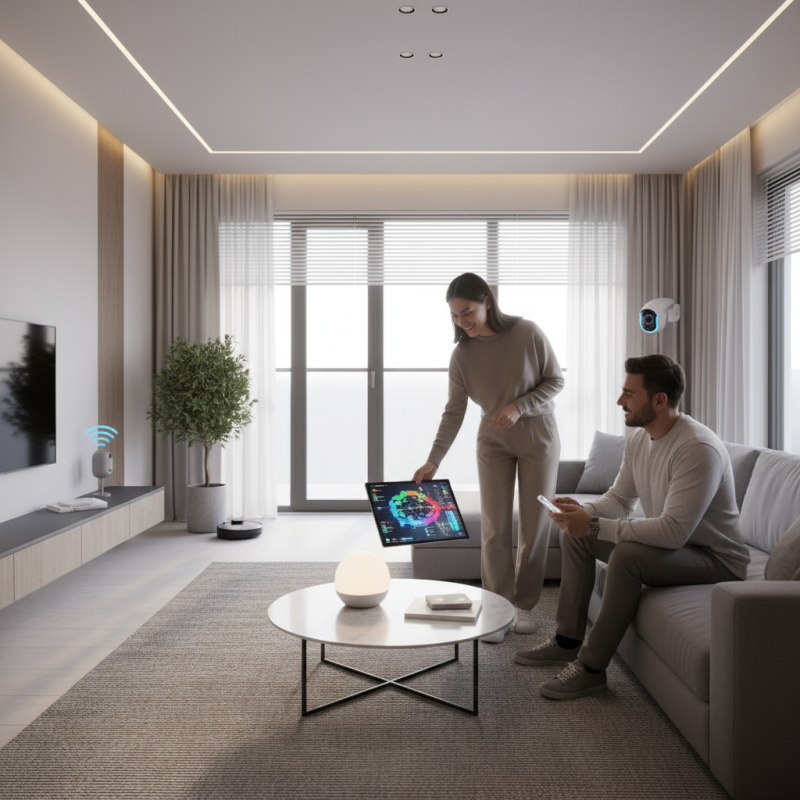
Zigbee technology offers numerous benefits for smart home automation. It creates an efficient and robust network for various devices. Zigbee operates on low power. This means that devices can run for a long time on small batteries. Imagine your smart sensors lasting for years without needing a replacement.
Another advantage is its ability to connect multiple devices seamlessly. A Zigbee network can link hundreds of devices at once. This scalability is vital for expanding smart home systems. You can easily add new devices without worrying about compatibility issues. However, it requires careful planning to avoid overcrowding the network.
Zigbee's mesh networking feature enhances reliability. Devices communicate with each other, strengthening the overall network connection. If one device fails, others can redirect signals. This can lead to potential delays during high traffic times, making some unease possible. Balancing between too many and too few devices is key for optimal performance. Zigbee technology, while impressive, still requires thoughtful implementation from users.
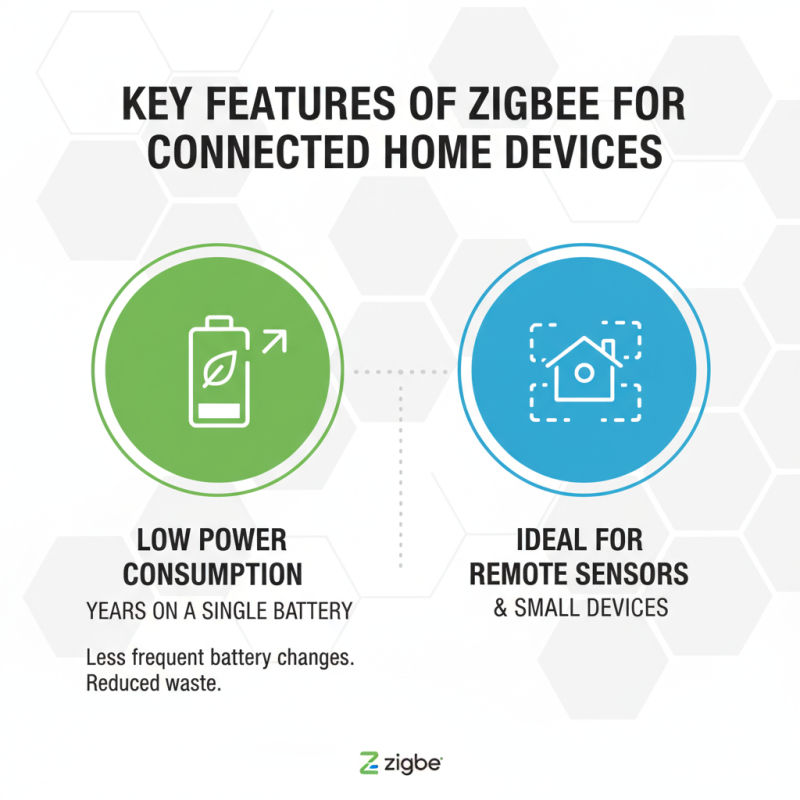
Key Features of Zigbee for Connected Home Devices
Zigbee technology offers a multitude of advantages for connected homes. One key feature is its low power consumption. Devices can operate for years on a single battery. This means less frequent battery changes and reduced waste. It’s perfect for remote sensors or small devices.
Another important aspect is its mesh networking capability. Each device can communicate with others. This enhances the overall range and reliability of the network. In a large home, this can solve connectivity issues. However, the setup might require some technical troubleshooting, which can be frustrating.
Zigbee also supports multiple device types. From lighting control to motion sensors, the versatility is impressive. Users can create customized environments. However, sometimes compatibility issues arise with different brands. This can lead to confusion during setup. Nonetheless, the potential for a seamless smart home experience is still enticing.
Comparison of Zigbee with Other Smart Home Protocols
Zigbee offers unique advantages compared to other smart home protocols. Unlike Wi-Fi, which can be bandwidth-heavy, Zigbee operates on low power, ideal for battery-operated devices. This efficiency translates to longer battery life for sensors and other gadgets. Zigbee creates a mesh network, allowing devices to communicate with each other. This improves reliability, as devices can relay signals, extending range and reducing dead spots.
In contrast, Z-Wave is limited to a smaller number of devices due to its design. It's sufficient for many users, but those seeking scalability may find it lacking. Bluetooth is also common but is typically restricted to one-to-one connections. This limitation can hinder the creation of a comprehensive smart home ecosystem. Zigbee shines in supporting numerous devices while maintaining a stable connection.
Yet, Zigbee isn't flawless. Interference in crowded environments may still pose challenges. Compatibility across different manufacturers can be a concern, leading to frustration when integrating various devices. These potential drawbacks warrant thorough consideration. However, the benefits, particularly for a connected home, often outweigh the challenges. Zigbee remains a strong contender in the smart home market.
Real-World Applications of Zigbee in Smart Homes
Zigbee technology has gained traction in smart homes due to its versatility. It supports various devices, allowing seamless communication. For instance, smart bulbs can be controlled alongside security sensors, creating an integrated environment. Homeowners can adjust lighting based on specific needs. This capability adds convenience to daily routines.
Tips: Always check device compatibility before purchase. Some devices may not connect well with others. It’s essential to verify this to avoid frustration.
In real-world applications, Zigbee excels in home automation. Imagine presets for different moods. You can set the living room to a cozy scene with dimmed lights and soft music. At the same time, security cameras can monitor the surroundings. Such integrations make homes smarter and more responsive.
Tips: Investing in a reliable hub can enhance functionality. This ensures all devices communicate effectively, reducing connectivity issues. Consider the long-term benefits of a well-planned smart home system.
Why Choose Zigbee Smart Home Technology for Your Connected Home?
| Application |
Description |
Benefits |
Typical Devices |
| Smart Lighting |
Remote control and automation of lighting systems in homes. |
Energy savings, convenience, and customization. |
Smart bulbs, dimmers, motion sensors. |
| Home Security |
Integration of cameras, door locks, and alarm systems. |
Enhanced safety and remote monitoring capabilities. |
Smart locks, cameras, security sensors. |
| Climate Control |
Control and monitor heating and cooling systems. |
Improved comfort and reduced energy bills. |
Smart thermostats, sensors. |
| Home Appliances |
Smart control of household appliances from anywhere. |
Convenience and efficiency in daily tasks. |
Smart fridges, ovens, washers. |
| Energy Management |
Monitoring and controlling energy consumption. |
Lower energy costs and better usage insights. |
Smart plugs, energy monitors. |
Future Trends in Zigbee Technology and Home Automation
Zigbee technology is crucial for the future of home automation. This protocol supports low-power devices, making it ideal for smart homes. As we embrace connectivity, Zigbee remains a strong player. It connects various smart devices, ensuring they work seamlessly together. Homeowners will increasingly rely on these systems.
A crucial trend involves integration with renewable energy sources. Smart homes will manage energy more efficiently. Zigbee can control solar panels and batteries. This integration helps reduce energy costs. Homeowners can track their usage in real-time. Lower energy bills are attractive.
Tip: Regularly update your Zigbee devices for better performance.
Another focus is security. With more devices connected, the risks increase. Zigbee provides robust encryption protocols. Users can set up alerts for unusual activity. This peace of mind is invaluable in a connected world.
Tip: Consider using a secure password for your Zigbee network.
However, challenges remain. Some users may face compatibility issues with older devices. The technology must evolve to address this. Future innovations will likely bridge these gaps for enhanced user experience. As Zigbee grows, so does the potential for smarter, more efficient homes.