How to Choose the Best Energy Monitoring Plug for Your Needs?
Choosing the right Energy Monitoring Plug can significantly impact your energy consumption. These devices help you track your power usage in real time. With so many options on the market, how do you find the best one?
Consider what features are essential. Some plugs offer detailed analytics, while others provide basic monitoring. Think about your needs. Will you use it for specific appliances or multiple devices? Compatibility is crucial. Not all plugs work with every system, so check your home setup.
Reflect on your energy-saving goals. An Energy Monitoring Plug can help bring awareness to your consumption habits. However, relying solely on technology may not be enough. You must actively engage in energy-saving practices as well.
Understanding Energy Monitoring Plugs: Features and Benefits
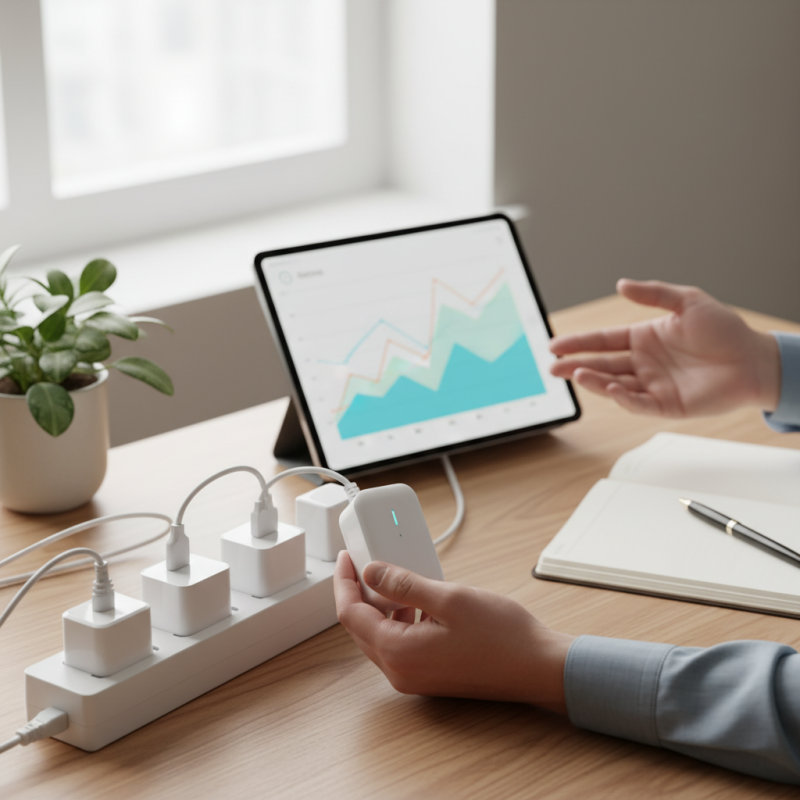
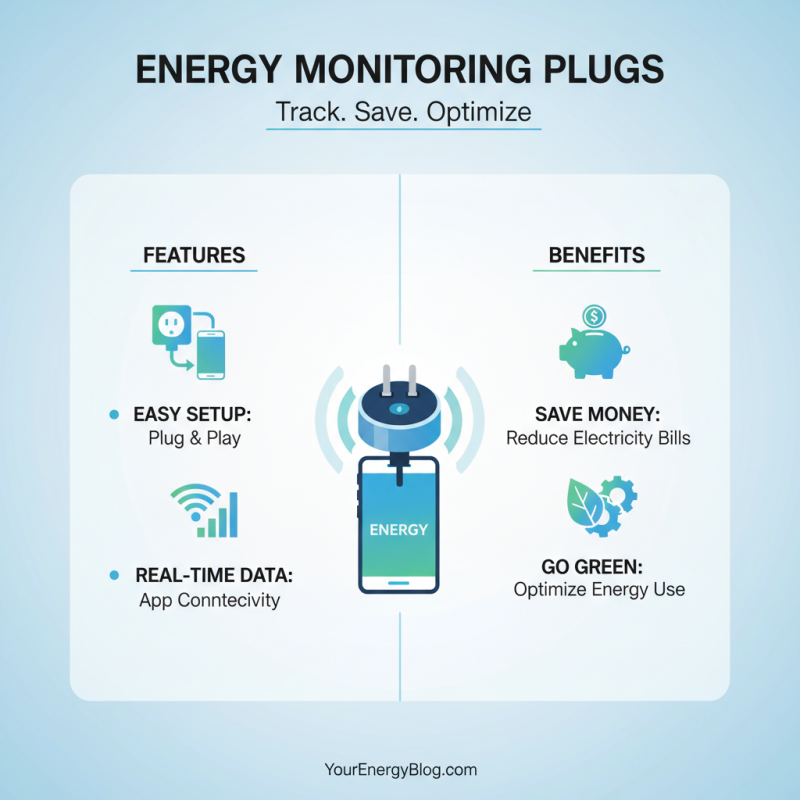
Energy monitoring plugs have gained popularity for their ability to track electricity consumption effectively. These devices are easy to use. You simply plug them into a socket and connect your appliance. The data is then sent directly to an app or display unit. This feature allows you to monitor energy usage in real-time.
One key benefit of energy monitoring plugs is their ability to promote energy-saving habits. By observing which devices consume the most power, you can identify potential savings. Maybe you didn’t realize your older appliances were energy hogs. Patterns of usage can become clear, prompting you to change habits. For example, turning off devices when not in use can lead to significant savings over time.
However, it’s important to consider not all plugs are created equal. Some may offer limited functionalities, while others provide advanced features. You might find the setup process daunting. And troubleshooting can be frustrating. Therefore, reflect on your specific needs before making a choice. Consider your appliances and how much data you genuinely require. Such reflections can lead you to the right energy monitoring solution.
Key Factors to Consider When Choosing an Energy Monitoring Plug
Choosing the right energy monitoring plug can be challenging. Start by examining the features you need. Look for plug types that fit your devices well. Some plugs offer basic tracking, while others provide detailed reports. Think about what you want. You may only want to monitor overall consumption rather than details.
Next, consider usability. A plug should be easy to install and use. Check the app interface. Is it user-friendly? A complicated interface can be frustrating. Additionally, think about compatibility with different devices. Ensure it works with your home network. Some plugs may have limited support for specific devices, which could hinder your monitoring.
Finally, reflect on long-term benefits. Evaluate the potential savings on your energy bill. Will the initial investment pay off? It’s crucial to think critically about your choices. Not every feature may be necessary for your situation. Balancing cost with functionality is key to finding the right fit for your energy needs.
Comparison of Popular Energy Monitoring Plugs on the Market
When selecting an energy monitoring plug, there are various options available. Metrics such as real-time energy usage, cost estimation, and even scheduling features can make a big difference. Some plugs offer a simple interface and clear display, making them user-friendly. Others may have complex apps that require some technical know-how.
Price is also a significant factor. Cheaper models may lack advanced features, which can lead to frustration. You might find that an expensive plug includes unnecessary functions. Reading reviews can help you gauge whether a product truly meets users' expectations. Pay attention to those who share their challenges as well. Real-life experiences can reveal hidden faults.
Some plugs have excellent durability, while others might break down quickly. Testing the longevity of a product can be tricky. Furthermore, compatibility is an issue. Some plugs work only with specific apps or smart home systems. This can limit your options. Take time to understand what integrates easily into your existing setup. These details are vital in choosing the right energy monitoring plug for you.
How to Set Up and Use Your Energy Monitoring Plug Effectively
Setting up an energy monitoring plug is crucial for tracking energy consumption. Many households waste energy unknowingly. According to a report by the U.S. Department of Energy, about 30% of household energy is used inefficiently. By using a monitoring plug, you can identify these inefficiencies.
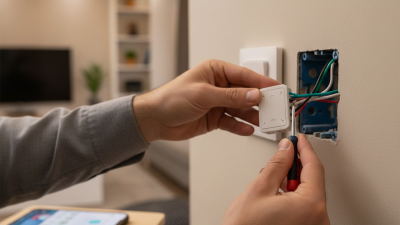
Begin by choosing a suitable location for your plug. It should be near an outlet and the device you want to monitor. Plug in your device and the monitoring plug. It’s often recommended to follow the manufacturer's instructions carefully. Check the app or monitor interface to ensure connectivity. Many users find it challenging to connect their devices properly. Missing steps can lead to inaccurate readings.
Once it’s set up, track your energy usage over time. This provides valuable insights. Reports show that households can save up to 20% on their energy bills by making adjustments based on monitoring data. Set goals for reducing consumption and review your progress weekly. Keep an eye on peak usage times and adjust habits accordingly. Even small changes can lead to significant savings.
Troubleshooting Common Issues with Energy Monitoring Plugs
When using energy monitoring plugs, users may encounter a range of common issues. One frequent problem is inaccurate readings. Sometimes, plugs report higher or lower energy usage than expected. This discrepancy can be due to faulty calibration or interference from other devices. It's important to reset the plug and see if that resolves the issue.
Connectivity problems are also prevalent. If your energy monitoring plug is unstable, it may disconnect from your Wi-Fi. This often leads to frustration and irrational responses. Checking your router’s distance and signal strength can help. Make sure the plug is within a good range of your signal. If it's too far, consider moving the plug closer or using a Wi-Fi extender.
For some users, the setup process can feel overwhelming. Instructions may be unclear or hard to follow. This can lead to frustration during initial use. Taking time to carefully go through the steps can make a difference. Reading user reviews or video guides may also provide clarity. It's normal to feel puzzled at times; troubleshooting is part of the learning process.