How to Choose the Best Glass Panel Smart Switch for Your Home?
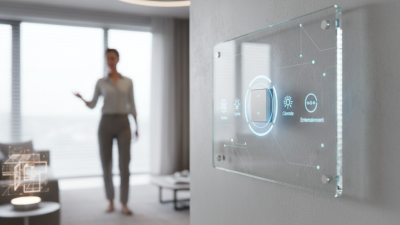
Choosing the right Glass Panel Smart Switch for your home can seem overwhelming. With so many options available, it’s easy to feel confused. A glass panel switch not only adds elegance but also functionality to your living space. However, the right choice depends on various factors.
Consider the design that matches your interior style. Some switches offer sleek designs, while others focus on color combinations. Think about how user-friendly the interface is. A smart switch should be easy to operate for everyone in your home. Reliability is crucial; not all glass panel switches are created equal. Researching reputable brands can save you time and frustration.
Finally, your budget will play a part in your decision. Be cautious of cheaper options that may compromise quality. However, investing more does not always guarantee the best features. It's essential to weigh the pros and cons carefully. Making an informed choice can enhance your home's ambiance and functionality significantly.

Understanding the Basics of Glass Panel Smart Switches
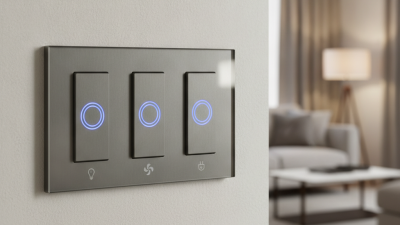
Understanding glass panel smart switches requires a basic knowledge of their functionality. These devices allow you to control lighting with just a touch. They can integrate with smart home systems, giving you enhanced control. Generally, they have a sleek design that matches modern decor. However, the user interface can vary significantly. Some might find the touch sensitivity inconsistent or unresponsive.
When selecting a glass panel smart switch, consider your needs carefully. Look at compatibility with existing smart home ecosystems. The installation process may require some electrical knowledge. If you are not comfortable, hiring a professional is wise. The quality of the glass panel is also crucial. It should resist fingerprints and scratches. Some less durable options might not stand the test of time.
A good understanding of features can aid your choice. For instance, some switches include dimming functions while others don’t. Pay attention to reviews, as they often highlight the real-world performance. That said, some user experiences differ widely. This reflects how personal preferences play a significant role. Evaluating your space and usage will guide your selection. Choose wisely to ensure satisfaction and longevity in your investment.
Smart Switch Features Comparison
This chart compares various features of glass panel smart switches available in the market. The scores represent the availability of each feature among different models. Higher scores indicate more common features found in smart switches.
Key Features to Look for When Choosing a Smart Switch
When selecting a glass panel smart switch, several key features should guide your decision. Look for compatibility with your home automation systems. Not all smart switches work with every platform. If you have specific devices, ensure they can integrate seamlessly. This is crucial for a smooth user experience. A switch that does not connect can lead to frustration.
Consider the design of the smart switch. A sleek, modern glass finish can enhance your home's aesthetic. However, practicality is also important. Touch sensitivity should be reliable, ensuring the switch responds promptly. We often take these features for granted until we face delays. Additionally, look for customizable settings. This allows you to adjust brightness or schedule lighting according to your needs.
Durability is another factor to think about. Glass can shatter easily if mishandled. Finding material that balances aesthetics with resilience is essential. Lastly, check the warranty. A longer warranty suggests higher confidence from the manufacturer in their product. It's worth reflecting on your choices. Are you prioritizing style over functionality? Making these considerations can lead to a more satisfying purchase.
Comparing Different Types of Smart Switches Available
When selecting a smart switch for your home, understanding the various types is essential. There are many options available, each with unique features. Touch switches are sleek and modern, providing a simple interface. These switches usually require a gentle tap for operation, which can be intuitive. However, they can be sensitive to accidental touches.
Wi-Fi-enabled switches offer convenience and remote control capabilities. They connect directly to your home network, allowing for control via smartphone apps. This feature is beneficial for those aiming for greater home automation. Yet, the reliance on Wi-Fi can lead to connectivity issues. Meanwhile, Bluetooth switches connect directly to devices without internet reliance. They are often easier to set up, but users must be within range.
Many switches come with customizable options. Some allow you to change colors or control multiple lights simultaneously. It's essential to consider your specific needs and preferences. Awareness of how often you interact with your switch can guide you in this decision. It can be challenging to navigate the market without ample knowledge. Always look for user reviews and expert opinions to ensure a reliable choice. A well-informed decision can enhance your home’s efficiency and aesthetic appeal.
Installation Considerations for Glass Panel Smart Switches
When considering the installation of glass panel smart switches, several factors come into play. Firstly, ensure that the electrical wiring is compatible with the switch type. Older homes might need updates to accommodate modern smart switches. Check your existing wiring thoroughly. Professional installation can often save time and ensure safety.
Placement of the switch is crucial for ease of use. Think about where you spend most of your time. A switch that controls multiple lights should be located centrally. Avoid areas with heavy foot traffic to prevent accidental activation.
Access to Wi-Fi is essential for these smart devices. Before installation, ensure your home network is reliable. A weak signal may lead to connectivity issues. During installation, remember to follow manufacturer instructions closely. Missteps can lead to functionality problems. Always double-check your work before closing the cover.
Connecting a smart switch may seem complicated. However, take your time and plan carefully. Sometimes, asking for help can make a significant difference in installation. Proper planning helps avoid misuse later. Consider potential challenges, and address them upfront for better results.
Ensuring Compatibility with Your Home Automation System
When choosing a glass panel smart switch, compatibility with your home automation system is crucial. Many users overlook this aspect, leading to frustrating experiences. A 2022 survey indicated that 58% of users faced connectivity issues with their smart switches due to incompatibility. Ensure your system supports the communication protocols used by the switch, such as Zigbee, Z-Wave, or Wi-Fi.
Understanding your existing home setup is vital. Each smart switch serves different functionalities, which can affect integration. For example, if your automation system is predominantly Wi-Fi-based, opt for a switch that operates seamlessly within that ecosystem. Only 35% of consumers reported satisfactory performance from devices that didn't match their established networks.
Installation may also present challenges. Not all switches are designed for easy DIY installation. Buyers should consider their technical ability and the wiring in their homes. Complications may arise if old wiring doesn’t meet modern electrical standards. In fact, 42% of homeowners expressed confusion during installation processes. Assessing these dynamics can minimize unexpected difficulties once the switch is deployed.