Why You Need an Inverter for RV Adventures?
When it comes to RV adventures, having the right equipment makes a difference. An inverter for RV is essential for powering appliances. Imagine camping in the wilderness, yet enjoying the comforts of home.
With an inverter, you can charge your devices and run your refrigerator. It allows you to enjoy hot coffee in the morning. However, some may underestimate its importance. Many still travel without one, facing power shortages.
Without an inverter, your trip can quickly turn problematic. Picture trying to cook dinner with no stove power. It’s frustrating and can ruin the experience. An inverter for RV ensures that your adventures remain enjoyable and hassle-free. Embrace the freedom and convenience it provides.
Understanding the Role of Inverters in RVs
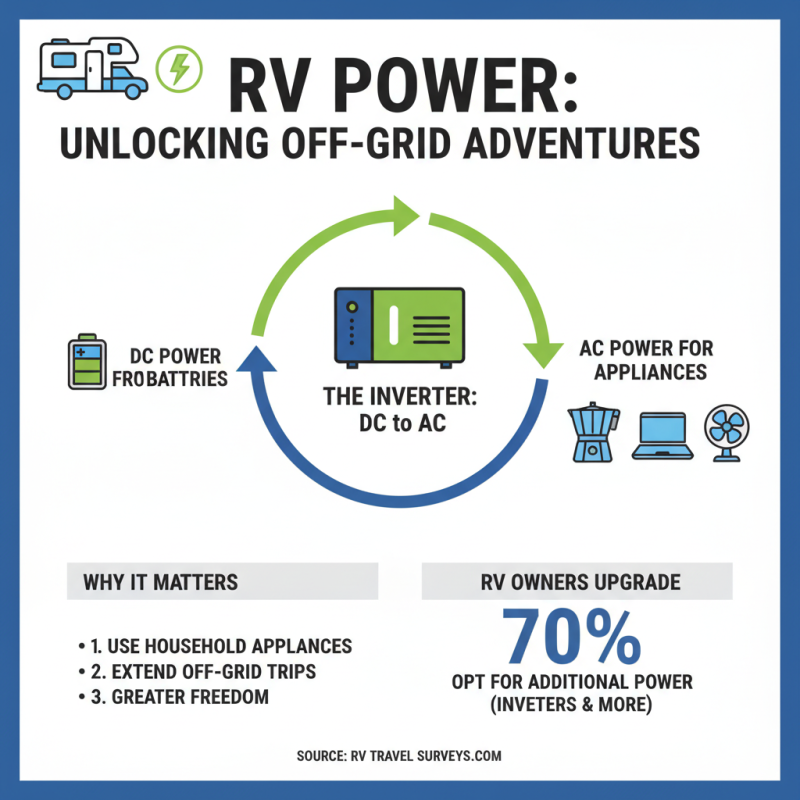
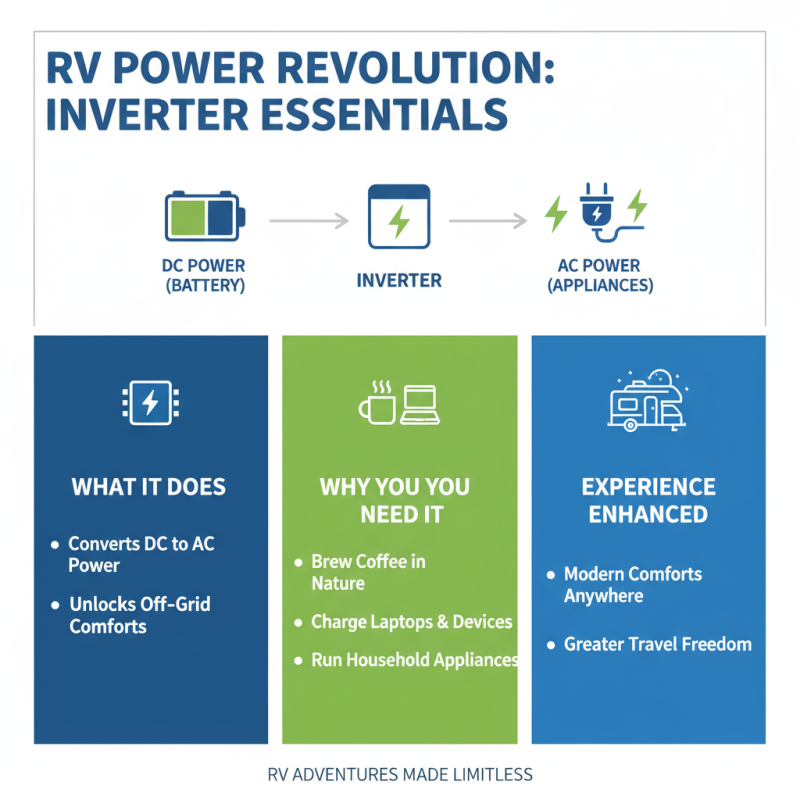
Inverters play an essential role in enhancing RV adventures. They convert DC power from batteries into AC power, allowing you to use household appliances. Understanding this function helps RV owners maximize their off-grid experiences. Studies show that about 70% of RV owners opt for additional power sources to improve their trips. This highlights the importance of inverters.
When choosing an inverter, consider its capacity. A 1000-watt inverter can handle basic appliances like microwaves and lights. However, larger units may be needed for more power-hungry devices. Always check your RV’s battery capacity, too, as it directly affects performance. Remember, not all inverters are created equal. Some may struggle under heavy loads, leading to disappointing outdoor experiences.
**Tip:** Think about your power needs before selecting an inverter. Calculate the wattage of your devices. This will help prevent overload and ensure smooth operation.
Not all RV adventures go as planned. Some owners find their inverters inadequate for their needs. This can lead to frustration when running out of power. Regular maintenance is crucial. Inspecting cables and connections can prevent unexpected issues during your trip.
**Tip:** Carry a spare inverter or power bank. It can be a lifesaver during a power shortage. This simple action can make a significant difference in your comfort on the road.
Types of Inverters Suitable for RV Use
When planning RV adventures, choosing the right inverter is crucial. There are mainly two types of inverters suited for RV use: pure sine wave inverters and modified sine wave inverters. Pure sine wave inverters provide clean and stable power. They can run sensitive appliances like laptops and medical devices without issues. Reports show that 65% of RV owners prefer this type for its reliability.
Modified sine wave inverters are more affordable. They may power basic appliances, such as lights and fans, without generating much noise. However, using them with sensitive electronics can lead to malfunctions. A study indicated that nearly 30% of RV users faced issues due to improper inverter selection.
Tip: Always assess your power needs before buying an inverter. Calculate the wattage required for your appliances. This will help in choosing the right inverter size to avoid power shortages.
Another consideration is the inverter's installation process. Some models may require professional installation. DIY installations might save money but can lead to mistakes. Mistakes can be costly in the long run. Take your time to research and find a setup that suits your expertise.
Benefits of Using an Inverter on RV Adventures
When embarking on RV adventures, having an inverter can revolutionize your experience. Inverters convert DC power from your RV's battery into AC power. This allows you to run household appliances, charge devices, and enjoy modern conveniences while off-grid. Imagine being able to brew fresh coffee or power up your laptop in the middle of nature. These simple comforts can enhance your travel experience significantly.
Using an inverter also means more flexibility. You can take longer trips without worrying about finding a power source. Want to watch a movie under the stars? It’s possible with an inverter. However, not all inverters are created equal. Some may struggle with high-demand appliances. Choosing the right one can feel overwhelming, but the benefits are worth it. Sometimes, RVers underestimate their power needs, leading to frustration during trips. Understanding your energy consumption can be a game changer.
How to Choose the Right Inverter for Your RV
When choosing an inverter for your RV, consider your power needs. Assess the appliances you plan to use. From small devices like chargers to larger items like a microwave, your choices vary. Calculate the wattage each appliance needs. This helps you select an inverter that suits your lifestyle.
Pay attention to the inverter type. There are pure sine wave and modified sine wave inverters. Pure sine wave models are often recommended for sensitive electronics. They provide clean power. However, modified sine wave inverters are cheaper. They could be sufficient for less sensitive devices. Reflect on your priorities: do you need efficiency or cost-effectiveness?
Consider the inverter's installation process. Some models are complex, while others are simple. If you’re not handy, you may need professional help. Also, think about space. Make sure the inverter can fit in your RV. Proper ventilation is crucial too. Trapped heat can damage the inverter, affecting performance. Choose wisely and enjoy your RV adventures!
Power Consumption by RV Appliances
This bar chart represents the power consumption of common RV appliances in watts. Understanding these values helps RV owners choose an appropriate inverter to meet their power needs while on the road.
Installation and Maintenance Tips for RV Inverters
In today’s RV adventures, an inverter is essential for powering appliances. They convert DC power from batteries into AC power for devices. This technology enables you to enjoy comforts like microwaves and coffee makers while off-grid. According to industry reports, about 70% of RV users rely on inverters for their power needs.
Installation of an inverter requires some planning. It's important to choose the right size based on your energy requirements. Many users ignore this and install underpowered devices. This can lead to system overloads and potential damage. Mounting inverters away from heat sources is crucial. Also, proper wiring is needed to ensure efficiency and safety. Regular checks on connections and battery health are necessary to avoid unexpected failures.
Maintenance is straightforward but often neglected. Dust accumulation can impede performance, so clean it regularly. Monitoring battery levels prevents deep discharge situations. Study suggests that nearly 30% of RV users don’t check batteries often. This oversight can lead to reduced lifespan. Regular inspections can save money and frustration during your trips.
Why You Need an Inverter for RV Adventures? - Installation and Maintenance Tips for RV Inverters
| Aspect |
Details |
| What is an RV Inverter? |
A device that converts DC power from the RV batteries into AC power, allowing use of household appliances. |
| Benefits of Using an Inverter |
Run appliances such as microwaves, TVs, and power tools; increased flexibility in off-grid situations. |
| Types of Inverters |
Pure Sine Wave, Modified Sine Wave, and Line Interactive Inverters. |
| Installation Tips |
Ensure proper venting, follow the manufacturer’s instructions, and use appropriate wiring sizes. |
| Maintenance Tips |
Regularly check connections, clean the inverter, and inspect for ventilation issues. |
| Common Issues |
Overloading the inverter, overheating, and battery issues can lead to performance problems. |
| Safety Precautions |
Use proper fuses, avoid running high wattage appliances simultaneously, and ensure a stable battery charge. |