What is an Off Grid Inverter and How Does It Work?
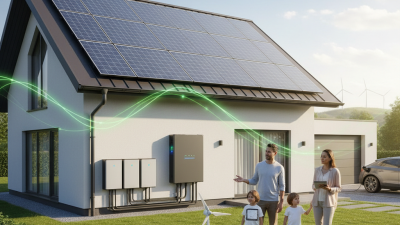
In the realm of renewable energy, the "Off Grid Inverter" stands out as a pivotal component. These devices convert direct current (DC) electricity from batteries into alternating current (AC) electricity for home use. This technology allows users to harness solar power, wind energy, or other sustainable sources, making it essential for those who live independently from the utility grid.
Michael Green, a leading expert in off-grid systems, has noted, "An Off Grid Inverter is not just a tool; it's the heart of energy independence." His words highlight the vital role these inverters play in enabling users to manage their energy sustainably. As more people seek self-sufficiency, understanding the operation of an off-grid inverter becomes crucial.
These inverters offer various benefits, but they also pose challenges. Users must consider battery compatibility, energy storage capacity, and inverter efficiency. Each detail matters in ensuring a reliable energy source. While the promise of energy independence is appealing, it requires careful planning and knowledge to achieve success. Awareness of these factors reinforces the importance of expertise in navigating the world of off-grid energy solutions.

What Is an Off Grid Inverter?
An off-grid inverter is a crucial component for any renewable energy system not connected to the utility grid. It transforms DC (direct current) electricity produced by solar panels or wind turbines into AC (alternating current) electricity, suitable for home use. This process allows you to run household appliances and devices efficiently.
Understanding the basic functions of an off-grid inverter is essential. It manages energy storage for systems that use batteries. During sunny days, when energy production is high, the inverter controls the electricity flow into the batteries. At night, this stored energy powers your home. This technology enhances reliability, especially in remote locations.
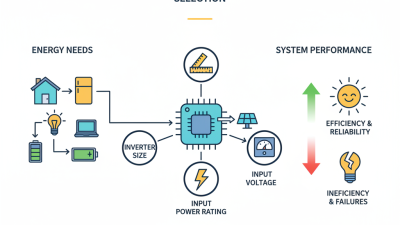
Tips: When selecting an off-grid inverter, consider its power rating. Ensure it can handle your maximum load. Also, pay attention to its efficiency rating. Higher efficiency means better energy savings. Regularly check the inverter's performance for potential issues. This maintenance step can save you from unexpected failures. Remember, a well-maintained inverter extends the lifespan of your entire energy system.
Key Components of Off Grid Inverters
Off-grid inverters are crucial for those seeking energy independence. These devices convert direct current (DC) from solar panels into alternating current (AC) for home use. The major components of off-grid inverters include battery management systems, charge controllers, and power electronics.
Battery management systems (BMS) ensure the health and efficiency of your battery bank. They monitor voltage and temperature, preventing overcharging. According to the International Energy Agency, battery storage capacity could reach 1,000 GWh by 2040, signifying its growing importance. Charge controllers regulate the power flow from the solar panels to the batteries, maximizing energy harvest. Proper sizing of the charge controller is vital; an undersized unit can lead to failures.
Power electronic converters are another critical aspect. They allow the inverter to manage output effectively, adjusting voltage and frequency to match home needs. While these systems are efficient, their complexity can be daunting. Many users struggle with installation and configurations. This highlights the need for qualified professionals in the setup process. Investing time to understand these components can significantly enhance the system's performance and longevity.
How Off Grid Inverters Convert Energy
Off-grid inverters play a crucial role in converting energy generated by renewable sources. They take direct current (DC) from solar panels or wind turbines and transform it into alternating current (AC). This conversion is essential for powering household appliances. The process starts with the inverter receiving DC electricity. Inside, components like transistors and capacitors work together to change the current type.
The conversion technology can vary. Some inverters use a simple method involving pulse width modulation. This technique controls the timing of the electrical signals. Others may rely on more complex methods for improved efficiency. Each design has its pros and cons, influencing performance and reliability. Users must consider installation and maintenance factors, too.
While efficiency is vital, off-grid systems come with challenges. Energy storage, for example, can be tricky. Batteries may not always supply persistent power. Selection of the right inverter also matters. Users should research specifications carefully. Understanding the technology is key to maximizing performance. Each choice impacts overall energy management.
Advantages of Using Off Grid Inverters
Off-grid inverters serve a crucial role in renewable energy systems. They convert direct current (DC) from solar panels or batteries into alternating current (AC) for use in homes or businesses. One significant advantage of these inverters is energy independence. A study by the U.S. Department of Energy revealed that over 20% of homeowners are considering off-grid systems for energy security. This shift not only reduces reliance on traditional power sources but also embraces sustainable living.
Using off-grid inverters can lead to cost savings in the long run. Although the initial investment is substantial, operational and maintenance costs are relatively low. Data from the National Renewable Energy Laboratory indicates that homeowners can save an average of $1,000 per year on electricity bills by going off-grid. Additionally, these systems often require fewer repairs compared to grid-tied systems, as they tend to have simpler wiring and fewer components.
However, there are challenges to consider. Sizing the inverter correctly is essential. An undersized inverter may lead to energy shortages during peak usage. Battery management is another critical factor. Without proper care, batteries can degrade quickly, affecting the entire system's efficiency. Homeowners must weigh these factors carefully to maximize the benefits of off-grid inverters.
Advantages of Using Off Grid Inverters
This chart illustrates the various advantages of using off grid inverters, showcasing their benefits in percentage terms. Cost savings and energy independence are the most significant advantages, followed by their environmentally friendly nature, reliability, and scalability.
Common Applications of Off Grid Inverters
Off-grid inverters play a key role in renewable energy systems. They convert DC power from sources like solar panels into AC power for household use. This technology is especially useful in remote locations without access to the grid.
Common applications for off-grid inverters include energy independence for cabins, tiny homes, and RVs. They enable users to harness solar energy efficiently. Farmers often use them to power equipment in remote fields. This reduces reliance on fossil fuels and minimizes environmental impact.
Here’s a tip: when selecting an off-grid inverter, make sure to assess your total load requirements. Researching compatible battery systems is crucial. Remember, while off-grid systems provide freedom, they may require regular maintenance. This can be a challenging aspect for new users. Always design your setup with future expansion in mind. Balancing power needs with available resources is essential for longevity and efficiency.