What is a Remote Control Switch and How Does It Work?
In the modern era, a Remote Control Switch has become an essential gadget in many households and businesses. These devices allow users to operate electrical appliances from a distance. John Smith, a leading expert in smart home technology, states, “Remote Control Switches can simplify daily tasks, but understanding their function is crucial.” His insight highlights the significance of recognizing how these tools work.
A Remote Control Switch typically involves a transmitter and a receiver. The transmitter sends signals to the receiver, enabling the operation of lights, fans, and various other appliances remotely. This technology enhances convenience but also raises questions about reliability. Users often experience occasional miscommunication or delays in signal transmission. Such issues remind us to weigh the pros and cons of relying solely on remote control systems.
As we embrace technology, we should strive for balance. Understanding the intricacies of a Remote Control Switch can lead to smarter choices. This knowledge empowers users to troubleshoot effectively and maximize convenience. In a world where ease of use is paramount, the Remote Control Switch stands out—offering both simplicity and the potential for unexpected challenges.
Definition of a Remote Control Switch and Its Purpose
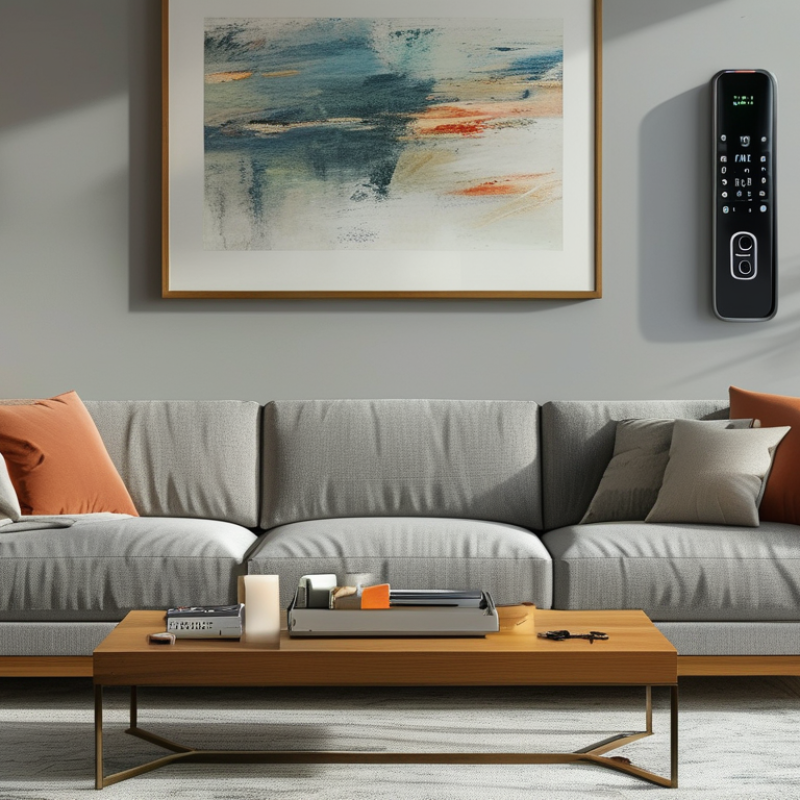
A remote control switch is a device that allows users to operate electrical devices from a distance. Its primary purpose is to provide convenience and enhance accessibility in everyday life. For example, with a remote control switch, users can turn lights on and off without moving from their seat. This can be particularly useful in large spaces or when carrying items.
The core component of a remote control switch is its transmitter and receiver. The transmitter sends a signal to the receiver, which activates the connected device. This communication typically occurs through radio frequency or infrared signals. Moreover, remote control switches can be integrated into home automation systems. They work alongside smart technology to create an efficient, user-friendly environment. However, understanding how these signals work can be complex for some users.
One should consider the potential limitations of remote control switches. They may not function well over long distances or may experience interference from other devices. Additionally, reliance on batteries for the remote can lead to inconveniences. Users should regularly check battery levels to ensure the switch functions properly. Exploring these aspects can help improve user experience and efficiency in daily tasks.
What is a Remote Control Switch and How Does It Work?
| Feature |
Description |
Purpose |
Common Uses |
| Definition |
A device that allows the operation of electrical appliances from a distance using radio signals. |
To provide convenience and ease of access to control devices without physical interaction. |
Lighting systems, fan control, garage doors, and other home appliances. |
| Components |
Includes a remote transmitter and a receiver unit connected to the appliance. |
To facilitate wireless communication between the remote and the device. |
Home automation systems and remote entry systems. |
| How It Works |
When a button is pressed on the remote, it sends a coded signal to the receiver which interprets it. |
To enable the corresponding action (e.g., turning on/off an appliance). |
TV remotes, ceiling fan controllers, and automated lighting control. |
| Types |
Infrared, RF (Radio Frequency), and smart Wi-Fi-based switches. |
To meet various user needs and enhance ranges of control. |
Smart home devices, home entertainment systems. |
Types of Remote Control Switches Available in the Market
Remote control switches are useful for managing various electronic devices. They come in different types, catering to various needs and preferences. These switches primarily include wireless models, Bluetooth-enabled devices, and smart home integration options. Each type offers unique functionalities that can enhance convenience and efficiency in your living space.
Wireless remote control switches operate using radio frequency signals. They typically consist of a handheld transmitter and a receiver connected to the device. Bluetooth-enabled switches, on the other hand, rely on short-range connectivity with smartphones or other devices. These allow for greater control, even from a distance. Smart home integration options connect with home automation systems, enabling users to manage devices through voice commands.
When choosing a remote control switch, consider compatibility with existing devices. It's beneficial to verify the range of operation, as some models may only function within a limited distance. Pay attention to the ease of installation; some switches require advanced DIY skills.
Test the switch before fully relying on it for essential functions. Some consumers find their devices disconnect unexpectedly or don't respond correctly. This could lead to inconvenience. Keep your remote control within reach and charge batteries regularly to prevent workflow interruptions.
Basic Components and Mechanisms of Remote Control Switches
Remote control switches are increasingly essential in modern homes. They primarily consist of three main components: a transmitter, a receiver, and an actuator. The transmitter is often a handheld device or a smartphone app that sends signals. It controls the operation of the receiver, which is connected to the electrical device the user intends to operate. When the receiver gets the signal, it activates the actuator to perform the desired action, such as turning on lights or appliances.
Market research indicates that the global remote control switch market could reach $2.2 billion by 2027, growing significantly from $1.5 billion in 2020. This growth reflects the rising demand for smart home devices and automation solutions. The increasing adoption of smart technologies requires more efficient energy management systems. However, while remote control switches offer convenience, they may also pose challenges. Reliability can vary based on the technology used, such as Wi-Fi or Zigbee, affecting performance in larger homes.
Additionally, improper use can lead to malfunctioning or interference with other wireless devices. It's vital for users to ensure their systems are compatible and installed correctly. Awareness of potential limitations can help in choosing the right system. Thorough research and professional advice enhance reliability and the overall user experience.
How to Install and Use a Remote Control Switch Effectively
Remote control switches have gained popularity for their convenience. They allow users to control devices from a distance, enhancing home automation. Installation is typically straightforward, requiring basic tools. A recent market report highlighted a 30% increase in smart home device usage over the past year. This trend indicates rising consumer interest in remote solutions.
To install a remote control switch effectively, ensure that the power is turned off. Connect the wires according to the provided instructions. Secure the switch in a location that allows for easy access. Misplacement can lead to connectivity issues. Remember, not all remote switches are compatible with every device. Research compatibility before purchasing.
When using your remote switch, consider range limitations. Most models operate effectively within a 30-foot radius. Obstacles between the remote and switch can reduce performance. Regularly check batteries to ensure optimal functionality. Users should recalibrate devices if performance dips. Engaging with product forums can provide troubleshooting tips from experienced users.
Remote Control Switch Usage Statistics
This bar chart illustrates the number of remote control switches installed in different areas of homes. The living room has the highest number of installations, followed by the bedroom and kitchen, showcasing the popularity of remote control switches in enhancing convenience and smart home integration.
Common Applications and Benefits of Remote Control Switches
Remote control switches have become increasingly popular in modern homes and businesses. They enable users to operate lights and appliances from a distance, enhancing convenience and efficiency. One common application is in smart home systems. Here, these switches allow you to control lighting with ease, improving energy management and creating a comfortable environment.
Another prevalent use is in outdoor settings. Garden lights or security cameras can be activated remotely, adding safety and allowing for flexible usage. This remote access reduces the risk of forgetting to turn off appliances, which can lead to unnecessary energy costs. Furthermore, they are useful in venues like theaters or conference rooms where quick and quiet control of lighting is essential.
It's essential to choose the appropriate remote control switch based on specific needs. Make sure to consider the range and compatibility with existing devices. While these switches are generally reliable, not all may fit your requirements perfectly. Testing different models can help you find the best match while reflecting on each choice's pros and cons is crucial. Explore options within your space to maximize the benefits of remote-controlled technology.