What is a Smart Breaker and How Does it Work?
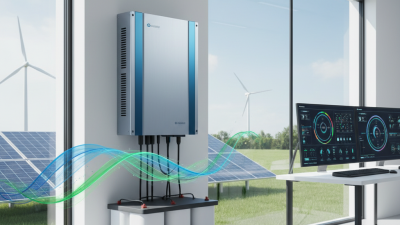
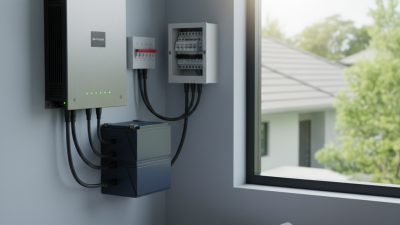
In today's modern electrical systems, the "Smart Breaker" emerges as a vital innovation. It goes beyond traditional circuit breakers by integrating advanced technology. This robust device not only protects electrical circuits but also enhances functionality and safety.
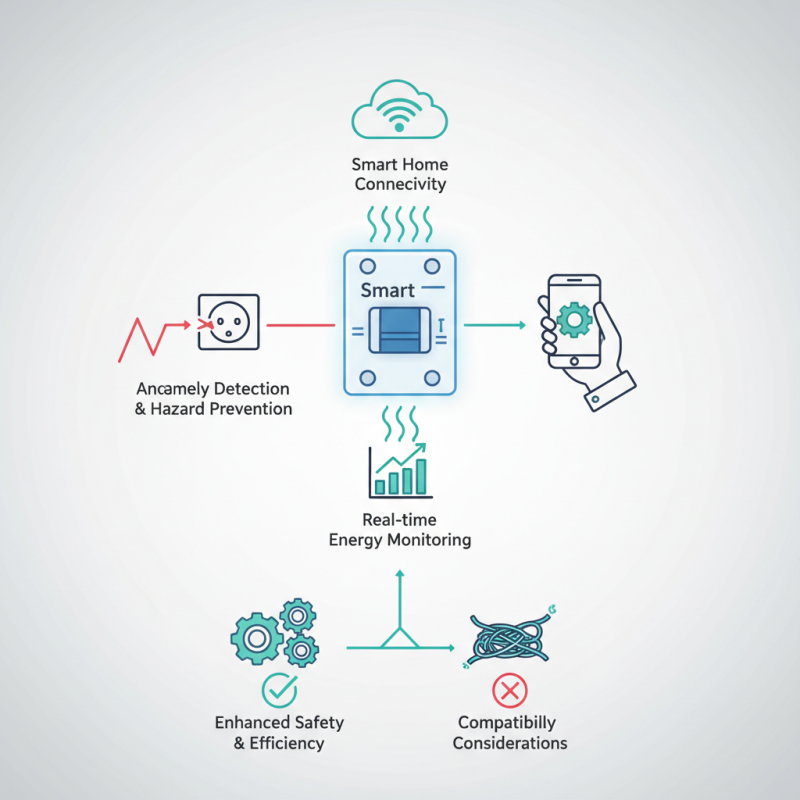
A Smart Breaker offers real-time monitoring of electrical usage. This feature helps users track energy consumption effectively. It can detect anomalies and prevent potential hazards, ensuring a safer environment. Additionally, it can connect to smart home systems, allowing for remote access and control. This integration is beneficial, but it requires careful setup and understanding.
As we explore how a Smart Breaker works, it is essential to recognize its advantages and limitations. While it provides enhanced safety features, users must also be aware of potential compatibility issues with older systems. Overall, the Smart Breaker represents a step toward smarter living. However, awareness and education surrounding its operation are crucial for maximizing its benefits.
What is a Smart Breaker?
A smart breaker is a modern electrical device that enhances home safety and energy management. It differs from traditional circuit breakers by integrating smart technology. This allows users to monitor and control their power usage in real-time through an app. As homes become smarter, these breakers offer a way to enhance safety while providing insights into energy consumption.
These devices operate by continually assessing electrical flow. When an overload or fault occurs, the smart breaker can disconnect power instantly. This action prevents potential hazards like fires or equipment damage. Additionally, the data gathered helps homeowners identify high-energy appliances. This insight can guide effective energy-saving decisions, leading to reduced bills over time.
Though they offer numerous benefits, smart breakers come with considerations. Installation may require professional guidance, which adds to costs. Some users may find the technology overwhelming. Questions about reliability arise as the device relies on stable internet connections. Weighing the pros and cons is essential for any homeowner considering this smart upgrade.
Key Features of Smart Breakers
Smart breakers are revolutionizing home electrical systems. These devices combine traditional circuit breaker functions with advanced technology. The key features of smart breakers enhance safety and energy efficiency, making them an essential addition to modern homes.
One standout feature is real-time monitoring. Homeowners can track energy usage via a mobile app. This data helps identify high-energy appliances. It’s also useful for detecting unusual activity, which could indicate a fault. Notifications alert users to potential issues before they escalate.
Additionally, smart breakers offer remote control. Users can turn off circuits from anywhere. This is particularly handy for forgetful homeowners. However, reliance on technology can lead to oversights. A minor app glitch could cause inconvenience. Hence, regular checks on the system and backup safety measures are vital. These devices provide convenience, but they need regular oversight to ensure optimal performance.
What is a Smart Breaker and How Does it Work? - Key Features of Smart Breakers
| Feature |
Description |
Benefits |
| Remote Monitoring |
Allows users to monitor electrical usage and circuit status via mobile app. |
Instant notifications and increased safety. |
| Real-time Analytics |
Provides detailed insights into energy consumption patterns. |
Helps in identifying energy wastage and optimizing usage. |
| Overload Protection |
Automatically cuts off power in case of overloads. |
Prevents electrical fires and appliance damage. |
| Integration with Smart Home Systems |
Can be integrated with other smart home devices for coordinated actions. |
Enhances automation and user convenience. |
| User-Friendly Interface |
Simple interface for easier control and monitoring. |
Increases accessibility for all users. |
How Smart Breakers Operate
Smart breakers are innovative devices designed to enhance electrical safety and efficiency in modern homes. Unlike traditional circuit breakers, smart breakers can communicate with smart home systems. They continuously monitor the electrical flow, providing real-time data on consumption. This constant oversight allows homeowners to identify energy-hungry appliances and adjust their usage accordingly.
When a fault is detected, smart breakers react swiftly. They automatically shut off electrical flow to prevent potential hazards. Many smart breakers can be controlled remotely via mobile apps, allowing users to reset them without physical access. This feature is particularly useful during emergencies or when away from home. Integration with other smart devices enhances overall home safety and facilitates energy management.
However, smart breakers are not without their challenges. Installation may require professional assistance, which adds to upfront costs. Some users report a learning curve when trying to navigate the associated apps. Additionally, compatibility with existing home networks can be an issue. These factors require careful consideration before upgrading to smart technology. Overall, smart breakers represent a significant advancement, but they may not be suitable for every home.
Smart Breaker Energy Usage Over Time
Benefits of Using Smart Breakers
Smart breakers offer numerous benefits for modern homes and buildings. One of the primary advantages is enhanced safety. They can detect overloads and short circuits in real time. This feature minimizes the risk of electrical fires. Smart breakers promptly cut off power, protecting both property and occupants. Their ability to monitor energy usage also promotes efficiency.
Another significant benefit is convenience. Smart breakers integrate with home automation systems. They allow homeowners to control power remotely via mobile devices. This capability adds a layer of flexibility. Users can easily check which circuits are active and turn them off or on as needed. Such control helps prevent energy waste.
On the downside, initial setup may seem complicated for some users. Understanding the installation and configuration process requires careful attention. Additionally, reliance on technology can lead to challenges. If the system experiences failure, users may find themselves without power. It’s essential to remain vigilant and proactive about maintenance to ensure these devices function optimally.
Applications of Smart Breakers in Modern Electrical Systems
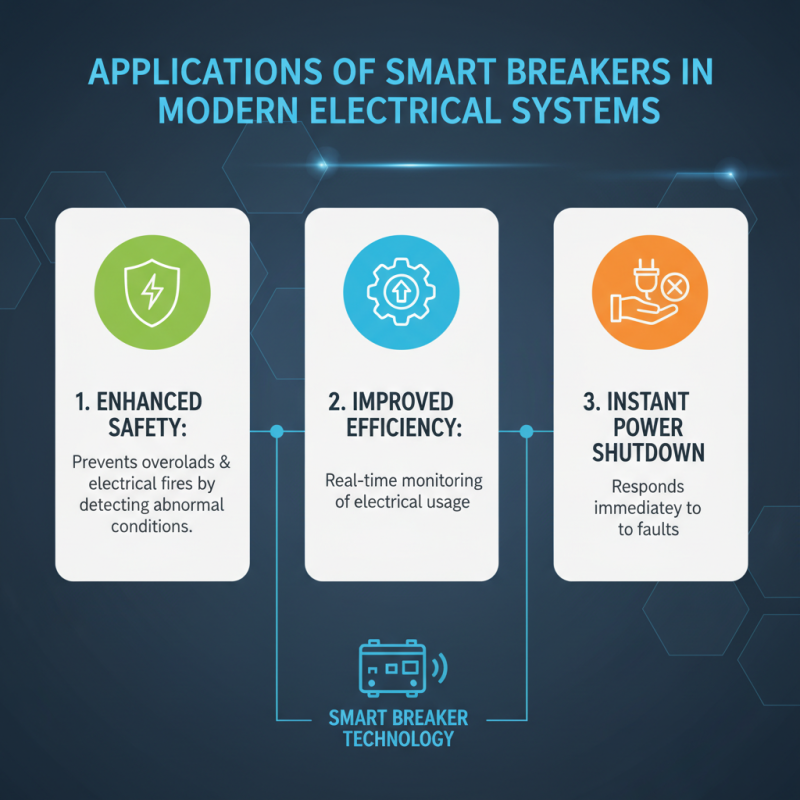
Smart breakers are revolutionizing modern electrical systems. These devices enhance safety and efficiency. They monitor electrical usage in real-time. This capability helps prevent overloads and electrical fires. Smart breakers can detect abnormal conditions. When an issue arises, they shut down the power immediately.
In residential applications, smart breakers offer convenience. They allow homeowners to manage energy consumption. Some models provide insights via mobile apps. Users can track usage patterns and reduce costs. In commercial settings, smart breakers optimize energy distribution. They help businesses comply with safety regulations. Such technology is crucial for warehouses and manufacturing plants.
However, smart breakers are not without flaws. Installation can be complex for some users. Proper training is essential to maximize their benefits. Regular updates are necessary to maintain functionality. As technology evolves, so do the challenges. Continuous improvement is vital for reliability.