What is a Smart Home Gateway and How Does It Work?
In today's digital age, the concept of a Smart Home Gateway is gaining significant traction. A Smart Home Gateway serves as the central hub that connects various smart devices, enhancing communication and ensuring seamless integration. According to a report by Statista, the global smart home market is expected to grow from 80 billion USD in 2022 to 135 billion USD by 2025. This rapid growth highlights the increasing importance of Smart Home Gateways in consumer households.
Expert in smart technology, Dr. Emily Chen, states, “The Smart Home Gateway is essential for creating a cohesive home automation experience.” This reveals the crucial role these gateways play in enabling devices to interoperate effectively. However, not all Smart Home Gateways provide the same level of efficiency. Many users report challenges with device compatibility and connectivity issues.
The need for reliable Smart Home Gateways is undeniable. They must support diverse protocols and ensure robust security measures. Users often express frustrations with complex setups and limited device support. As the demand for smart home technology grows, it is imperative for manufacturers to enhance the reliability and user-friendliness of their gateway solutions.

What is a Smart Home Gateway?
A smart home gateway serves as the central hub for all your smart devices. It connects different devices, allowing them to communicate and work together. With a smart home gateway, you can control lighting, security cameras, and thermostats from a single interface. This integration enhances convenience and efficiency.
Tips: When choosing a smart home gateway, consider the type of devices you have. Ensure compatibility with your existing technology. Not all gateways support every device. Research and review options to avoid frustration later.
Additionally, a smart home gateway can improve energy efficiency. By automating tasks, you can reduce energy waste. For instance, scheduling lights to turn off when you leave home saves power. However, be mindful that over-reliance on automation can lead to unexpected issues.
Make sure to update your gateway regularly. Firmware updates can enhance security and add new features. Cybersecurity threats are real, and outdated systems can be vulnerable. Regular maintenance goes a long way in protecting your smart home environment.
What is a Smart Home Gateway and How Does It Work?
| Feature |
Description |
| Central Hub |
Acts as the main controller for all smart devices in a home. |
| Protocol Compatibility |
Supports multiple protocols such as Zigbee, Z-Wave, Wi-Fi, and Bluetooth. |
| Remote Access |
Allows users to control devices remotely through a smartphone app. |
| Automation |
Facilitates automation routines based on user preferences and schedules. |
| Security |
Enhances home security through integration with cameras and alarms. |
| Interoperability |
Allows different smart devices to work together seamlessly. |
| User Interface |
User-friendly interface designed for easy navigation and control. |
| Firmware Updates |
Regular updates for security patches and new features. |
Key Functions of a Smart Home Gateway
A smart home gateway acts as the central hub for various smart devices. It enables communication between different systems, ensuring they work together seamlessly. This integration streamlines operations and enhances user experience through automation and remote control.
One key function is device management. The gateway allows users to add, configure, and monitor devices from a single interface. This enables easy control of lights, thermostats, and security cameras. It eliminates the hassle of juggling multiple apps for different devices. Moreover, a smart home gateway supports various communication protocols. This capability ensures compatibility, regardless of the device manufacturer.
Another significant function is data processing. The gateway collects and analyzes data from connected devices. This process helps to optimize energy usage and improve security. Users can receive alerts if there are unusual activities detected in their homes. However, this technology is not without its challenges. Interoperability issues may arise when devices from different brands connect. Users should be aware of these potential conflicts and choose devices wisely.
Smart Home Gateway Key Functions
How Smart Home Gateways Facilitate Device Communication
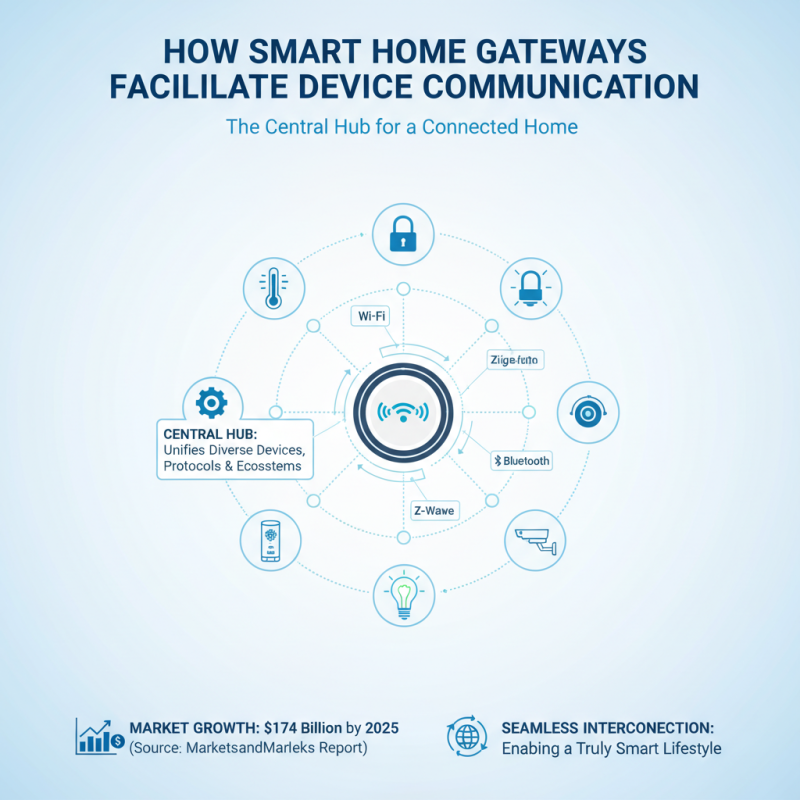
Smart home gateways play a crucial role in facilitating communication among various smart devices. These gateways serve as a central hub, allowing different devices, protocols, and ecosystems to interconnect seamlessly. A recent report from MarketsandMarkets highlighted that the smart home market will reach $174 billion by 2025. This growth speaks to the increasing reliance on interconnected devices in our daily lives.
The ability of smart home gateways to standardize communication between devices is a game-changer. They often support multiple communication protocols such as Zigbee, Z-Wave, and Wi-Fi. This versatility ensures that even devices from different manufacturers can communicate efficiently. However, not all gateways perform equally. Some exhibit latency issues, which can disrupt user experiences. It's crucial for users to choose gateways that not only connect devices but also provide responsive service.
Moreover, security remains a key concern. Many gateways have faced criticism for vulnerabilities that can lead to breaches. Industry studies show that 30% of consumers worry about the security of their smart home devices. Users need to remain vigilant and informed about potential risks when adopting smart technology. Despite these challenges, the potential benefits of smart home gateways in enhancing convenience and automation are significant.
Benefits of Using a Smart Home Gateway
A smart home gateway serves as the central hub for connected devices. It enables seamless communication, enhancing home automation. Various studies indicate that the global smart home market is expected to reach $174 billion by 2025, highlighting its growing importance.
Using a smart home gateway offers numerous benefits. One key advantage is improved energy efficiency. A report from the Smart Energy Consumer Collaborative states that smart home technologies can reduce energy consumption by up to 30%. This not only lowers utility bills but also benefits the environment.
Moreover, a smart home gateway enhances convenience. It allows users to control multiple devices from a single platform. Voice commands or mobile apps make routine tasks easier. According to research by Statista, 70% of homeowners appreciate the simplicity of centralized control. Yet, some users may struggle with initial setup and compatibility issues. Balancing security measures and usability remains an ongoing challenge in this evolving landscape.
Popular Smart Home Gateway Brands and Their Features
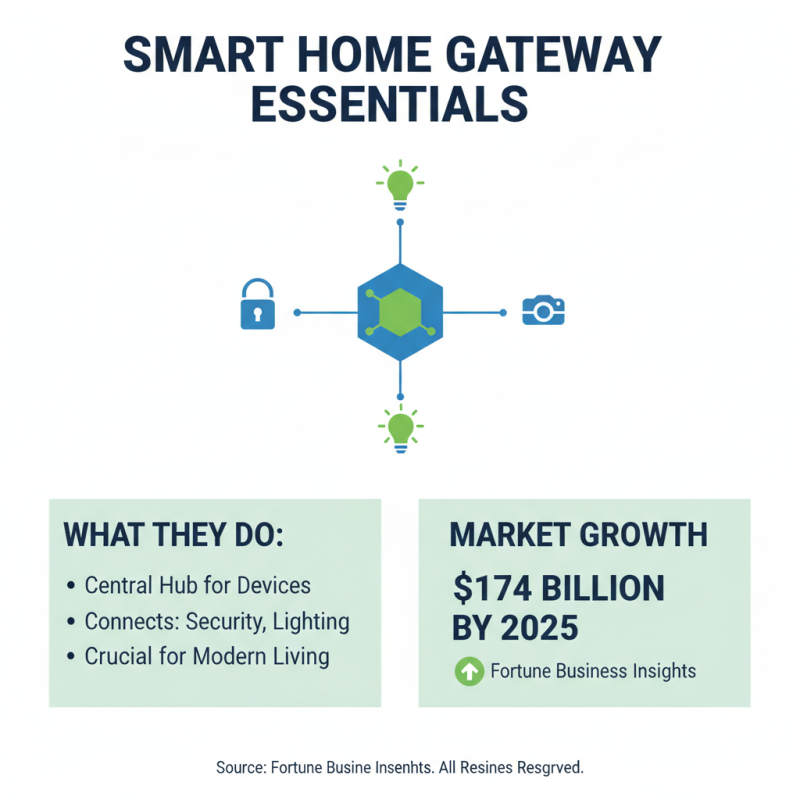
Smart home gateways are crucial for modern living. They act as central hubs, connecting various smart devices. These devices include security systems, smart lighting, and video surveillance. The market for smart home technology is predicted to reach $174 billion by 2025, as per a recent report by Fortune Business Insights. This rapid growth shows the demand for reliable smart home solutions.
Several popular brands lead the smart home gateway market. They offer various features catering to diverse needs. Some provide extensive compatibility across numerous devices. Others focus on enhanced security protocols to ensure user data safety. Data from Statista indicates that around 70% of consumers prioritize security when choosing smart home products. Therefore, brands emphasizing reliable security tend to gain consumer trust more effectively.
However, not all gateways deliver the same performance. Users may experience connectivity issues or incompatibility with older devices. Moreover, frequent software updates can disrupt functionality. Such issues remind consumers to research thoroughly before choosing a gateway. Solutions vary by brand, which can lead to confusion and frustration. Exploring user reviews and expert recommendations is essential to navigate this landscape effectively.