What is a Smart Thermostat and How Does It Work?
The evolution of home technology has led to the rise of the Smart Thermostat. This innovative device offers more than just temperature control; it embodies energy efficiency and user convenience. According to a recent report by the U.S. Department of Energy, smart thermostats can save homeowners anywhere from 10% to 30% on energy bills. They can analyze user behavior, adjust settings automatically, and even provide usage reports.
Yet, despite these advantages, many households have yet to embrace smart thermostat technology. A study found that only 25% of homes have adopted this device. Some users may struggle to fully utilize its capabilities. The learning curve can be a barrier, leading to underutilization of energy-saving features. While the technology is impressive, it can feel overwhelming for the average consumer.
In considering the impact of smart thermostats, there is a need for ongoing education. Users should understand the potential benefits and challenges. As we move towards a more sustainable future, smart thermostats will play a key role. However, their effectiveness depends on user engagement and willingness to adapt. The future of smart home technology looks bright, but reflection on personal habits is crucial for maximizing these benefits.
Definition of a Smart Thermostat and Its Key Features
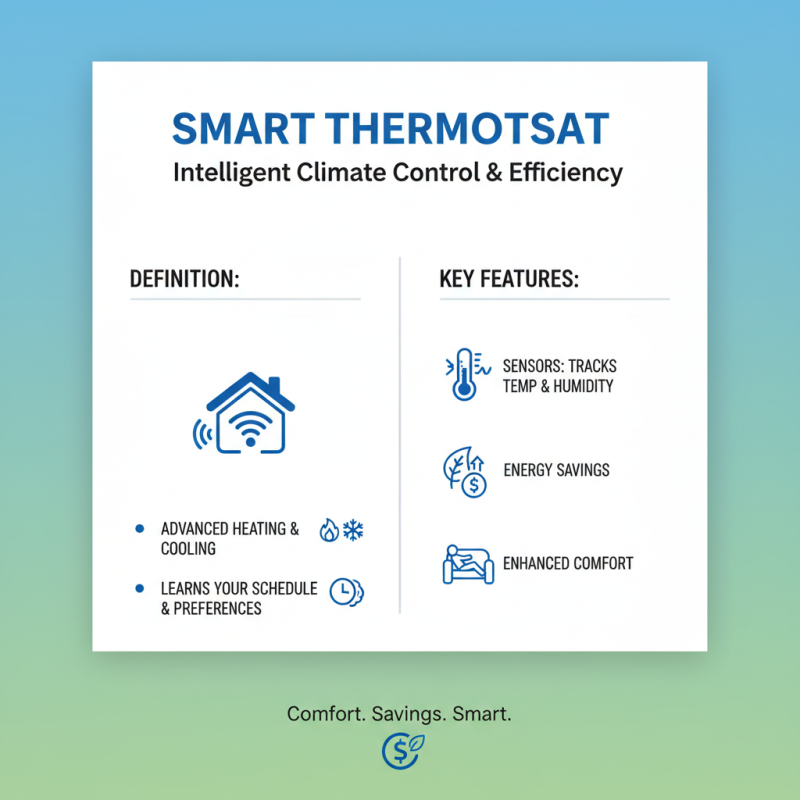
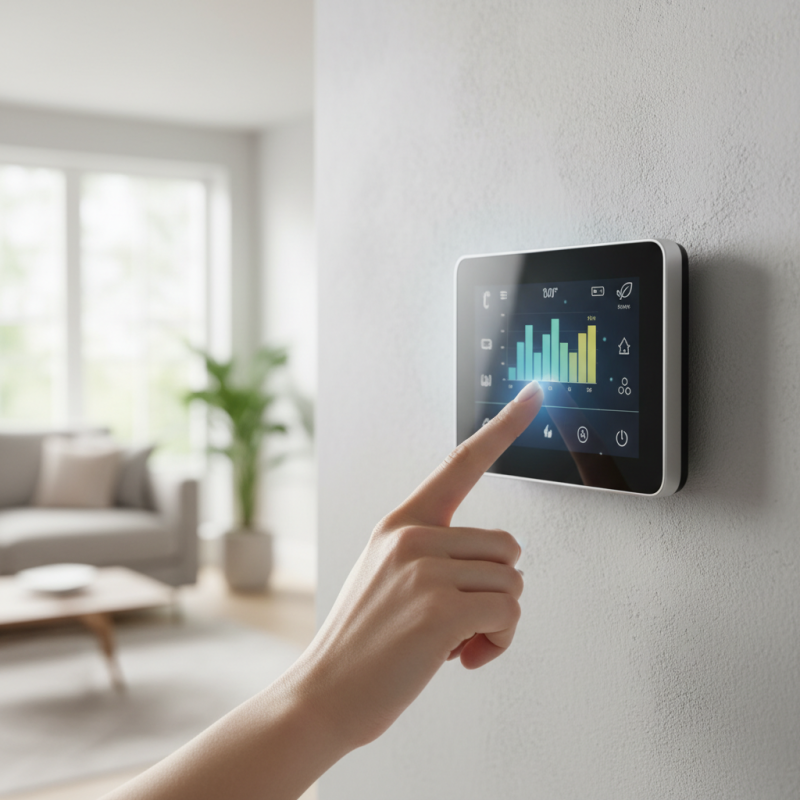
A smart thermostat is an advanced heating and cooling system. It learns your schedule and preferences over time. By using sensors, it tracks temperature and humidity levels. This technology helps maintain comfort while saving energy.
One key feature is remote access. You can control it via a smartphone app from anywhere. This means adjusting the temperature while you're at work or on vacation. Some models also use geofencing. They sense when you're nearby and adjust settings accordingly.
Another notable aspect is energy usage reports. Smart thermostats can show patterns in your energy consumption. This can be enlightening but also unsettling. Many users realize they could be more efficient. The data helps in making informed decisions about usage. Balancing comfort with energy savings can be a challenge sometimes.
How Smart Thermostats Learn User Preferences and Adapt
Smart thermostats are designed to enhance energy efficiency in homes. They learn user preferences over time and make adjustments automatically. This feature saves energy and reduces utility bills. The device collects data based on your routines. For example, it notices when you leave for work or wind down for the evening. Over time, it builds a profile of your habits.
Tips: Set manual schedules initially. This helps the thermostat understand your preferences. If your routine changes, update the settings immediately. This fine-tuning can improve efficiency.
As it adapts, the thermostat may not always be perfect. Sometimes, it might lower the temperature too early or delay heating for too long. Reflect on these moments. Adjust settings manually if needed. Learning is a process, and some trial and error is expected. A smart thermostat works best when you actively engage with it.
Smart Thermostat Learning Patterns Over Time
This chart illustrates how smart thermostats learn user temperature preferences over a period of one week. The data shown represents the average temperature set by users during different times of the day. The smart thermostat adapts its schedule based on these learned preferences.
Integration of Smart Thermostats with Home Automation Systems
Smart thermostats are increasingly integrated with home automation systems. This integration allows for seamless control of your home’s climate. Data from the industry indicates that smart thermostats can save homeowners up to 15% on heating and cooling costs. This is a significant improvement over traditional thermostats.
These devices can connect with various home systems. They can work with lighting, security, and even smart appliances. For example, when you leave home, the thermostat can lower the temperature. Some users may find the set-up challenging initially. It often requires an understanding of your network and devices. A report from a leading energy research firm states that user interfaces are crucial for effective integration. If not intuitive, they can be frustrating, resulting in underuse of smart features.
Another key point is remote access. Many smart thermostats allow users to adjust settings via a smartphone app. This convenience is appealing but could lead to over-reliance. If the app malfunctions, users may struggle to control their environment. Still, the growing benefits of smart thermostats cannot be ignored. The integration with home automation systems is revolutionary for many households.
What is a Smart Thermostat and How Does It Work? - Integration of Smart Thermostats with Home Automation Systems
| Feature |
Description |
Benefits |
| Learning Capability |
Adjusts temperature settings based on users' habits. |
Increases energy efficiency and comfort. |
| Remote Control |
Allows adjustments via smartphone apps from anywhere. |
Provides flexibility and convenience. |
| Energy Reports |
Provides insights on energy usage over time. |
Helps in tracking and reducing energy costs. |
| Integration with Other Devices |
Works with various home automation systems. |
Enhances smart home functionality. |
| Geofencing |
Detects when users are home or away using GPS. |
Optimizes energy use based on location. |
Benefits of Using a Smart Thermostat for Energy Efficiency
Smart thermostats are revolutionizing how we manage indoor climates. They learn our habits over time, adjusting temperatures based on our routines. This adaptability helps reduce energy consumption, leading to lower utility bills. When you leave home, the thermostat can automatically lower the heat or air conditioning. It reads the room temperature efficiently. This feature ensures energy isn't wasted when you're not around.
Using a smart thermostat can significantly enhance energy efficiency. For instance, many models provide reports on energy usage. This data helps homeowners understand their patterns. Small changes, like adjusting the temperature by a few degrees, can make a big difference. Some users report a noticeable drop in energy costs. However, not everyone finds it easy to set up or optimize the device to its full potential. There can be a learning curve.
Beyond just savings, smart thermostats can provide comfort. They maintain consistent temperatures, especially during extreme weather. Yet, some might overlook their potential when they set it and forget it. The technology requires engagement to maximize benefits. Regular monitoring can lead to better performance and savings. Embracing this innovation can lead to a more sustainable lifestyle and efficient home.
Installation and Setup Process of a Smart Thermostat
Installing a smart thermostat can enhance energy efficiency significantly.
Research indicates that homeowners can save up to 23% on heating and cooling costs annually with such devices.
The setup process typically starts with turning off the power to your HVAC system. This ensures safety when you access your existing thermostat.
Removing the old unit usually involves unscrewing a few screws and carefully disconnecting wires.
Next, you'll connect the wires to your new smart thermostat. Color coding simplifies this task.
It's crucial to follow the wiring instructions closely.
Many smart thermostats come with user-friendly guides that illustrate connections clearly.
After securing the wires, mount the thermostat on the wall.
Restore power and check for functionality before proceeding with the final setup via an app.
Once installed, calibration might be necessary.
Some users report challenges in syncing with their HVAC systems. Troubleshooting guides often help, but patience is essential.
You might experience connectivity issues with Wi-Fi, impacting remote access.
Nevertheless, the potential for energy savings can outweigh these initial hurdles.