Why Choose a Smart Thermostat for Your Home Efficiency and Comfort?
In today's quest for home efficiency and comfort, the choice of a Smart Thermostat stands out. Renowned energy expert Dr. Emily Ray noted, "Smart Thermostats are game-changers in energy management." This statement echoes the increasing importance of technology in our everyday lives.
Smart Thermostats offer precise control over home temperatures. They learn from user behavior and adjust settings accordingly. For instance, they can reduce heating while no one is home, significantly saving energy. However, some users may struggle to fully utilize these features, missing out on potential savings.
Selecting a Smart Thermostat requires careful thought. Not all models suit every home. Features vary widely, and navigating these options can be daunting. Consideration must go beyond price to long-term benefits and ease of use. Such investments promise comfort and efficiency, but they demand commitment and understanding from the homeowner.
Benefits of Using a Smart Thermostat for Home Efficiency
A smart thermostat can greatly enhance your home’s efficiency. According to the U.S. Department of Energy, homes using smart thermostats can save about 10-15% on heating and cooling costs annually. This adds up to significant savings over time. These devices adapt to your schedule and preferences, optimizing energy use without sacrificing comfort.
One notable advantage is the ability to control your home climate remotely. This means you can adjust settings from your smartphone when you're away. A study by the EnergyHub found that homeowners who actively manage their homes see a potential energy savings of up to 30%. However, forming new habits around these devices can be challenging. It may take time to fully understand their features and potential.
Despite these benefits, it’s essential to note that not all smart thermostats are perfect. Some users may experience issues with connectivity or compatibility with older systems. As noted in a report by Grand View Research, continuous improvement and updates are vital for user satisfaction. Homeowners should weigh the pros and cons carefully before making a decision.
Why Choose a Smart Thermostat for Your Home Efficiency and Comfort?
| Feature |
Description |
Benefit |
Potential Savings |
| Energy Monitoring |
Tracks energy usage in real-time. |
Increased awareness leads to smarter energy use. |
Up to 15% reduction in energy bills. |
| Remote Control |
Control settings from anywhere via smartphone apps. |
Convenience and comfort, adjust from the couch or on-the-go. |
N/A |
| Learning Capability |
Learns your schedule and preferences over time. |
Automatically adjusts to enhance comfort. |
Potentially saves 10-12% on heating and cooling. |
| Geofencing |
Adjusts temperature based on your location. |
Saves energy by not heating/cooling an empty home. |
Up to 20% savings by optimizing usage patterns. |
| Integration with Smart Home Systems |
Works seamlessly with other smart home devices. |
Centralized control for energy management. |
N/A |
How Smart Thermostats Improve Energy Savings and Cost Reduction
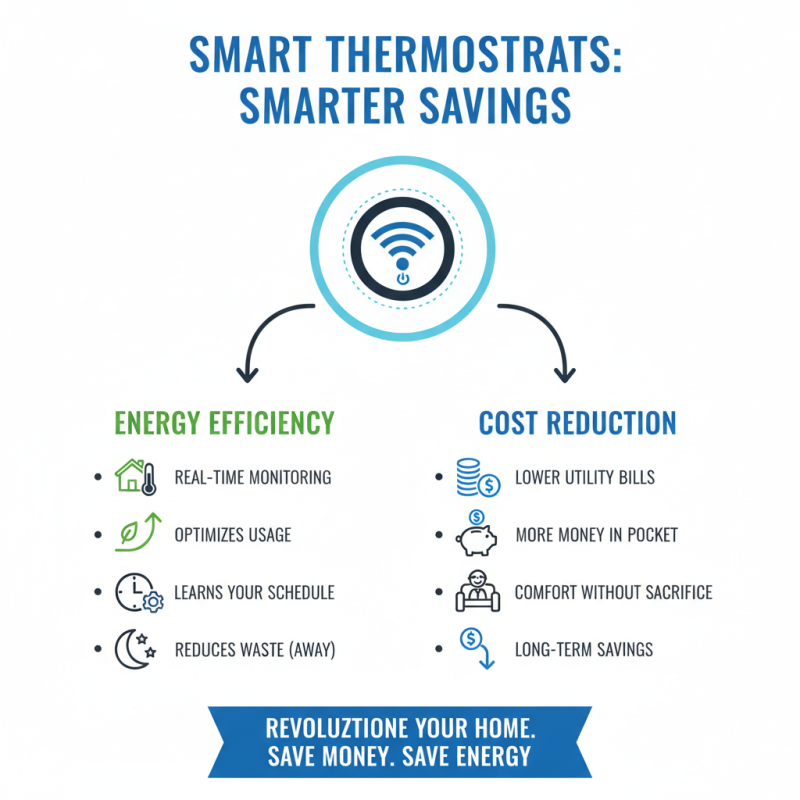
Smart thermostats are revolutionizing home efficiency. They monitor your heating and cooling needs in real time. This technology helps to optimize energy consumption, leading to lower utility bills. A smart thermostat can learn your schedule and adjust temperatures accordingly. When you're not home, it reduces energy use, saving you money without sacrificing comfort.
Using a smart thermostat can significantly reduce your energy costs. Reports estimate that households can save up to 30% on heating and cooling expenses. These savings are not only financial; they contribute to a more sustainable lifestyle. However, some users may feel overwhelmed by the setup process or software updates. It’s vital to read user manuals and seek support if needed.
These devices also provide insights into your energy habits. You might discover times when your usage spikes unexpectedly. Such revelations can prompt changes in daily routines. However, reliance on technology can sometimes lead to complacency. Users may forget to manually adjust temperatures during extreme weather. Balancing automated settings with your instincts is crucial for achieving optimal comfort and savings.
Enhancing Comfort with Smart Thermostats: Features and Functionality
Smart thermostats are revolutionizing home comfort and efficiency. These devices come packed with features that adjust temperatures based on your preferences and daily routines. For instance, a recent study indicated that homes with smart thermostats can save up to 15% on heating and cooling costs. This reduction can lead to significant savings over time while enhancing comfort levels.
Many smart thermostats use sensors to detect occupancy. They learn your schedule and make adjustments when you are home or away. This "adaptive learning" feature is appealing. It allows homeowners to maintain the ideal temperature during peak hours without constant manual adjustments. However, not all users fully utilize these features. Some homeowners may struggle with initial setup or overlook updates that improve functionality.
Another interesting functionality is remote access via mobile apps. Homeowners can monitor and control their heating and cooling systems from anywhere. This feature provides peace of mind, especially during extreme weather. Yet, there can be a learning curve in understanding app navigation. While the benefits are clear, not every user grasps the potential of these advanced features. Addressing these challenges can improve user experience and overall efficiency.
Energy Savings with Smart Thermostats vs. Traditional Thermostats
This chart illustrates the annual energy savings in kilowatt-hours (kWh) when using smart thermostats compared to traditional thermostats. The smart thermostat on average saves about 1500 kWh per year, significantly more than the 800 kWh saved by traditional models, showcasing the efficiency benefits of modern technology in home heating and cooling.
Integration with Smart Home Systems for Optimized Climate Control
Smart home systems have transformed the way we manage our living environments.
Integrating a smart thermostat into this system provides a seamless climate control experience.
It isn’t just about comfort; it’s about tailored efficiency that saves energy and reduces costs.
When connected to smart home devices, the thermostat adjusts based on real-time data.
That means it can learn your preferences and alter settings accordingly.
Consider how a smart thermostat communicates with other devices.
If your security system detects that no one is home, the thermostat can adjust the temperature automatically.
This integration helps in minimizing energy waste. However, this technology isn’t flawless.
It requires regular updates and maintenance.
If not properly managed, glitches can occur, leading to inefficiencies.
User experience can vary based on setup.
Some find the interface intuitive, while others may struggle to navigate settings.
It’s crucial to understand how to leverage the full capabilities of the thermostat.
Additionally, training and awareness of potential limitations can enhance effectiveness.
Ultimately, thoughtful integration empowers homeowners to achieve a more comfortable and energy-efficient space.
User-Friendly Interface and Remote Access: Convenience of Smart Thermostats
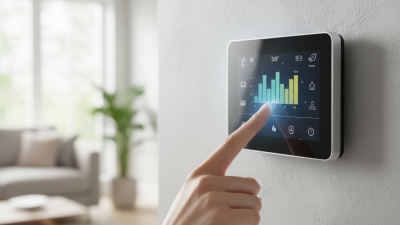
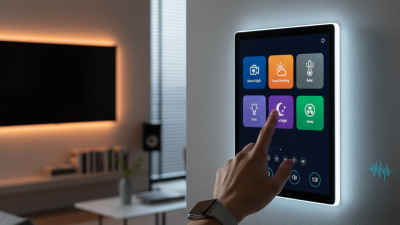
A smart thermostat can greatly enhance your home's efficiency and comfort. One of its most significant advantages is the user-friendly interface. Many designs feature large touchscreens that display crucial information clearly. This makes it easy for anyone to navigate settings without any confusion.
Remote access is another key feature of smart thermostats. With a smartphone app, users can adjust their home temperature from anywhere. Imagine being at work and realizing you left the heat on. Instead of rushing home, you can simply lower the temperature from your device. This convenience adds a layer of control that traditional thermostats lack.
However, not everyone finds technology intuitive. Some users might struggle with initial setup or fail to utilize all features. The abundance of functions can be overwhelming. Reflecting on your experience with these devices can help you find better ways to integrate them into your daily life.