Smart motion sensing is moving from a niche automation feature into essential infrastructure for homes, offices, warehouses, and public facilities. IoT Analytics reported approximately 16.6 billion connected IoT devices worldwide in 2023, with the total expected to reach about 18.8 billion in 2024. That expansion creates stronger demand for reliable presence detection, energy control, security alerts, and intelligent building management. Yet connected devices are not automatically dependable.
Sensor pioneer Janusz Bryzek has described sensors as “the eyes and ears of the Internet of Things.” His statement captures the practical role of a Smart Motion Sensor. It must notice movement accurately, distinguish people from pets, and respond quickly in changing light or temperature. MarketsandMarkets also projects substantial growth for the global smart sensors market, although forecasts differ by definition, region, and product category. Forecasts are useful, not perfect.
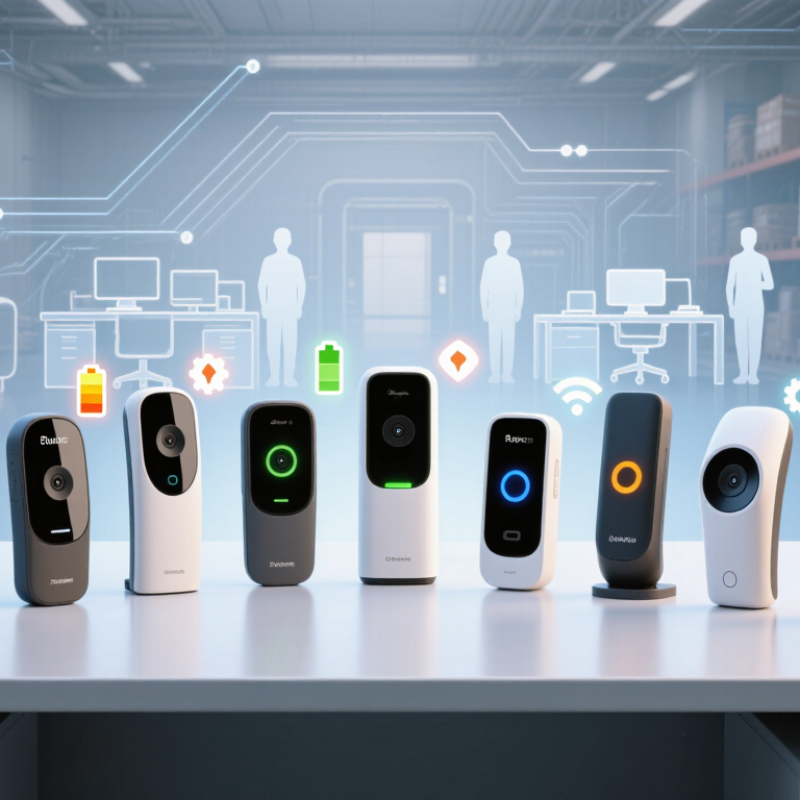
This guide reviews the Top 10 Smart Motion Sensors for Global Buyers through a practical purchasing lens. It considers detection range, sensing technology, false-alarm control, wireless protocols, battery life, installation effort, data privacy, weather resistance, and platform compatibility. Small details matter. A sensor facing a bright window may behave differently from one mounted in a dark hallway. A low-cost model may become expensive after replacing batteries repeatedly.
Global buyers should also examine regional certifications, manufacturer support, warranty terms, and long-term software availability. Performance claims require testing. Marketing language is not evidence. The strongest choices balance dependable detection, secure connectivity, transparent specifications, and realistic total ownership costs.
Smart motion sensors combine detection hardware, signal processing, and wireless communication. They identify movement, then send an alert or trigger connected equipment. Unlike a basic switch, a smart sensor can consider timing, distance, temperature, and repeated activity. It may support lighting, security notifications, energy control, or occupancy tracking.
Different sensors detect movement in different ways. Passive infrared sensors notice changes in heat, such as a person crossing a hallway. Microwave sensors transmit radio waves and measure changes in reflected signals. Ultrasonic models use sound waves, while time-of-flight sensors measure how quickly light returns. Some advanced units combine two methods to reduce false alarms. No method is perfect.
Placement strongly affects performance. Installers usually avoid direct sunlight, heating vents, moving curtains, and vibrating surfaces. A sensor facing a doorway often detects crossing movement better than a sensor aimed down the room. Pets, reflective furniture, and warm machinery can still confuse the system. The first setup is rarely perfect. I recommend checking detection logs for several days and adjusting sensitivity gradually. Short detection ranges may protect privacy and reduce unnecessary alerts, but they can miss movement at the edge of a room. Buyers should also review operating temperature, detection angle, battery life, data handling, and local connectivity before choosing a model. Reliable performance depends on both sensor design and careful installation.
When comparing smart motion sensors, buyers should examine detection technology before counting features. Passive infrared sensors detect body heat well, but may miss a person sitting still. Microwave and millimeter-wave sensors can detect smaller movements, even through light materials. This matters in offices, corridors, and bathrooms. A 2024 MarketsandMarkets report identifies rising demand for motion sensing across smart buildings, security, and automation.
Range figures need practical testing. A sensor claiming 10 meters may perform poorly behind glass, near metal, or in a room with strong airflow. Ask for detection angles, response time, false-alarm rates, and blind-spot diagrams. Do not trust range alone. I would test walking, sitting, and slow movement in the actual installation space.
Power and connectivity deserve equal attention. Compare battery life under real detection traffic, not standby laboratory conditions. Check support for Wi-Fi, Bluetooth Mesh, Thread, or other compatible protocols. The Connectivity Standards Alliance reported continued growth in interoperable smart-home device adoption during 2024, making cross-platform support increasingly important. Security should include encrypted communication, signed firmware, secure updates, and clear data-retention controls. Independent testing is preferable. Even IP ratings can mislead when temperature changes create condensation. One overlooked issue remains maintenance: a sensor mounted three meters high becomes expensive to reset, inspect, or replace.
PIR sensors remain a practical choice for rooms, corridors, and small offices.
They detect changes in infrared radiation from moving bodies. Installation is simple, and battery life can exceed one year in moderate traffic. However, direct sunlight, heaters, and poor placement may trigger false alerts. A careful site test matters more than a low purchase price.
Microwave and radar sensors perform better through light obstacles, such as plastic covers or thin partitions.
They suit warehouses, parking areas, and outdoor entrances when weather protection is adequate. mmWave sensing can identify small movements, including a person sitting at a desk. It may also support presence detection without using cameras, which helps privacy-conscious buyers. Dual-technology sensors combine PIR with microwave detection and usually reduce false alarms. They cost more, though.
Time-of-flight sensors measure distance and can define narrow detection zones near doors or equipment.
Choose them when precise boundaries matter. For value, compare detection range, standby power, operating temperature, ingress protection, and communication standards. A sensor claiming 12 meters may perform differently in a cold warehouse. Test it with real traffic, not only a product sheet.
I have seen installation errors create more failures than weak hardware. That is easy to overlook. Local service access, replacement batteries, and documented calibration procedures also affect long-term ownership cost. Some advanced sensors remain impressive, but their extra features may never repay the added complexity.
Top 10 Smart Motion Sensors for Global Buyers
Regional Compatibility, Connectivity Standards, and Privacy Factors
Choosing among the top 10 smart motion sensors requires more than checking detection range. Regional radio rules can affect everyday performance. A sensor designed for 868 MHz may not suit markets using 915 MHz. Wi-Fi models also depend on local frequency channels, router settings, and electrical standards. Check supported bands before importing hardware. A concrete wall, metal cabinet, or thick glass can reduce signal strength sharply.
Connectivity standards deserve careful testing. Matter can simplify communication across compatible ecosystems, while Thread usually needs a suitable border router. Zigbee and Z-Wave remain useful, but regional frequency versions may differ. Bluetooth models are convenient for small rooms and temporary setups. In practical tests, place a sensor near a doorway, then measure response through two rooms. Pairing may succeed quickly, yet notifications can still arrive late. Standards do not guarantee flawless interoperability.
Privacy should shape the final decision. Prefer sensors that process motion events locally and offer clear encryption details. Review cloud requirements, account permissions, update policies, and data storage regions. A hallway sensor should not need continuous video access. Disable unnecessary microphone or location permissions. Test whether the device still works when internet access is interrupted. This step is often missed. I have also found that privacy statements can be vague, so buyers should ask precise questions about retention, deletion, and third-party access.
| Rank | Sensor Category | Primary Detection Method | Typical Detection Range | Connectivity Standards | Regional Compatibility | Power Profile | Privacy and Data Considerations | Best-Fit Use Case |
|---|---|---|---|---|---|---|---|---|
| 1 | Battery-Powered PIR Sensor | Passive infrared sensing detects changes in infrared radiation caused by moving people or animals. | Approximately 5–12 m; commonly 90–120° field of view. | Zigbee Thread Bluetooth LE | Usually suitable worldwide when the device uses 2.4 GHz radio settings approved for the destination market. Hub or border-router requirements vary. | Typically 1–3 years on replaceable lithium or alkaline batteries, depending on reporting frequency and temperature. | Normally transmits event data rather than images or audio. Check whether occupancy history is stored locally or in a cloud account. | General home security, lighting automation, corridors, bedrooms, and offices. |
| 2 | PIR Sensor with Ambient-Light Measurement | PIR motion detection combined with a light sensor for brightness-aware automation. | Approximately 5–10 m; field of view commonly 90–120°. | Zigbee Thread Bluetooth LE | Good international suitability because the sensor is generally low-power and uses license-exempt 2.4 GHz bands; confirm local gateway certification. | Often 1–3 years on batteries; sunlight and high-temperature locations can reduce battery life. | Light-level readings can reveal daily routines even without cameras. Prefer configurable retention and local automation processing. | Automatic lighting, energy saving, stairways, bathrooms, and entry areas. |
| 3 | Ceiling-Mounted PIR Sensor | Wide-angle passive infrared detection from an overhead position. | Approximately 6–15 m depending on mounting height and lens design; often 360° coverage. | Wired bus Zigbee Thread | Wireless versions are generally region-flexible on 2.4 GHz. Wired versions avoid radio-region issues but require compatible low-voltage installation practices. | Battery or mains-powered; mains installations must match local voltage, wiring, and electrical-safety requirements. | Produces low-detail presence events, but occupancy schedules may still be sensitive in workplaces. Apply role-based access to logs. | Open-plan offices, retail spaces, classrooms, and large rooms. |
| 4 | Dual-Technology PIR and Microwave Sensor | Combines passive infrared with microwave radar to reduce false triggers and improve reliability. | Approximately 8–15 m; coverage depends on antenna pattern and installation height. | Zigbee Wi-Fi Wired | Microwave frequency allocation is region-dependent. Verify the exact radar band, radio approval, and permitted power level before cross-border deployment. | Usually mains-powered because radar sensing uses more energy than basic PIR; some models use rechargeable batteries. | No visual recording is required, but radar-derived presence information can be more continuous and more revealing than simple motion events. | Commercial buildings, warehouses, garages, and areas with temperature changes or airflow. |
| 5 | 24 GHz mmWave Presence Sensor | Radar measures movement, micro-movements, and sometimes distance to detect stationary occupants. | Commonly 4–8 m indoors, with configurable zones on advanced models. | Wi-Fi Bluetooth LE Zigbee | 24 GHz radar regulations differ by jurisdiction. Confirm regional radio certification, permitted output power, and installation restrictions. | Usually USB or mains-powered; continuous radar processing is generally unsuitable for small coin-cell batteries. | Can infer presence, movement patterns, and sometimes room-level location. Select devices with local processing, encrypted transport, and disable cloud analytics where possible. | Workspaces, bedrooms, assisted living, and automation requiring reliable occupancy detection. |
| 6 | 60 GHz mmWave Presence Sensor | Higher-frequency radar detects fine motion and supports more precise presence or distance zones. | Typically 5–10 m indoors, depending on antenna design and room layout. | Wi-Fi Ethernet Bluetooth LE | 60 GHz short-range-device rules and indoor-use conditions vary by country. Regional approval is essential for international procurement. | Generally mains-powered or USB-powered because continuous radar and edge processing require more energy. | Fine-grained occupancy data may create a higher privacy impact than basic motion sensing. Use local APIs, network segmentation, and short log-retention periods. | High-accuracy room occupancy, meeting rooms, smart offices, and care environments. |
| 7 | Matter-over-Thread Motion Sensor | Usually PIR-based motion sensing using the Matter application layer over a low-power Thread mesh. | Approximately 5–10 m for common indoor PIR designs. | Matter Thread IPv6 | Strong multi-platform potential, but a compatible Thread border router and controller are required. Thread radio channels operate in the 2.4 GHz band and remain subject to local approvals. | Typically battery-powered, with expected life from several months to multiple years depending on the reporting interval and firmware. | Matter improves interoperability but does not automatically guarantee privacy. Review controller logs, account permissions, firmware-update policy, and local-control support. | Multi-platform smart homes and installations intended to avoid dependence on one ecosystem. |
| 8 | Wi-Fi Motion Sensor with Local API | Usually PIR-based sensing with direct communication to a wireless LAN. | Approximately 5–12 m; field of view depends on the PIR lens. | Wi-Fi 4 Wi-Fi 5 HTTPS MQTT | 2.4 GHz Wi-Fi is broadly available, but channel availability, transmit power, encryption requirements, and certification differ by region. Some devices do not support all local channels. | Often USB or mains-powered; Wi-Fi standby consumption is normally higher than Zigbee, Thread, or Bluetooth LE. | Choose local API access, WPA2 or WPA3 support, signed firmware, and the ability to block unnecessary internet access at the router. | Home automation systems that already provide Wi-Fi coverage and local network management. |
| 9 | Bluetooth LE Motion Sensor | Usually low-power PIR sensing with short-range Bluetooth Low Energy advertising or connected operation. | Approximately 5–10 m indoors; practical range depends heavily on walls and receiver placement. | Bluetooth LE GATT Gateway-based | Bluetooth 2.4 GHz operation is widely supported, but a nearby phone, gateway, or building receiver is normally needed for remote automation. | Commonly 1–2 years on a coin cell, depending on advertising interval, temperature, and connection frequency. | Can operate without a vendor cloud when paired with a local gateway. Bluetooth identifiers and occupancy timestamps should still be protected from unauthorized tracking. | Small apartments, temporary installations, cabinets, and low-cost room automation. |
| 10 | Outdoor Dual-PIR Motion Sensor | Weather-resistant dual-zone PIR sensing designed to improve outdoor detection and reduce false alarms. | Approximately 8–20 m; detection performance is affected by temperature, rain, vegetation, and direct sunlight. | Sub-GHz Zigbee Proprietary RF | Sub-GHz frequencies, bandwidths, and duty-cycle limits vary significantly between regions. A model approved in one market may not be legal or reliable in another. | Usually battery-powered; cold weather, frequent triggers, and weak radio links can shorten battery life. | Motion events may reveal outdoor routines and property access patterns. Use encrypted communication, minimal event retention, and carefully controlled notification recipients. | Driveways, gardens, perimeter alerts, outdoor lighting, and remote properties. |

Smart motion sensors perform best when installation matches the building, not just the product guide.
For global buyers, confirm local electrical requirements, wireless frequencies, and environmental ratings before mounting. Place sensors about 2.0 to 2.4 meters high, with a clear view of walking paths. Keep them away from vents, heaters, moving curtains, and direct sunlight.
A hallway test often reveals blind spots immediately. Do not trust assumptions.
Long-term performance depends on small maintenance habits. Check battery levels, signal strength, and detection accuracy during scheduled inspections. Dust can cover the lens and reduce sensitivity, especially in warehouses or workshops. Clean it gently with a dry microfiber cloth.
Review false alarms after seasonal temperature changes. A sensor may work perfectly in January but respond poorly beside an open window in July. Firmware updates can improve stability, although updates sometimes reset custom settings. Record those settings before maintenance.
Tips:
Use temporary tape before drilling. Test night and daytime detection. Label each device and its installation date. Keep spare batteries in a dry cabinet.
If a sensor misses movement, check its angle before replacing it. Installation errors are often mistaken for hardware failure.
I have seen careful teams overlook furniture changes, then blame the sensor. Long-term planning should include room layout reviews, staff feedback, and replacement access.
A neat installation can still become unreliable when the surrounding space changes.