Top 10 Inverter for Home Use Buyers Guide 2026?
When considering energy solutions for your home, an Inverter for Home Use emerges as a practical choice. These devices convert DC power to AC power, making them essential for running household appliances. The rise of renewable energy sources has increased their popularity. Homeowners are seeking reliable and efficient inverters to enhance energy savings. With various models available, finding the right option can be overwhelming.
The best inverters provide not just power but also peace of mind. They can ensure that your devices run smoothly during outages. Yet, not all inverters are created equal. The market is filled with choices, and the wrong pick can lead to underperformance. Understanding features like wattage capacity and inverter type is crucial. Many buyers may prioritize price over quality, leading to potential regrets later.
In this guide, we delve into the top 10 inverters for home use in 2026. We aim to arm you with insights and details that matter. Our experience and research will help you make an informed decision. Join us as we explore the best options to meet your energy needs efficiently and reliably.
Understanding Inverters: Types and Their Functions for Home Use
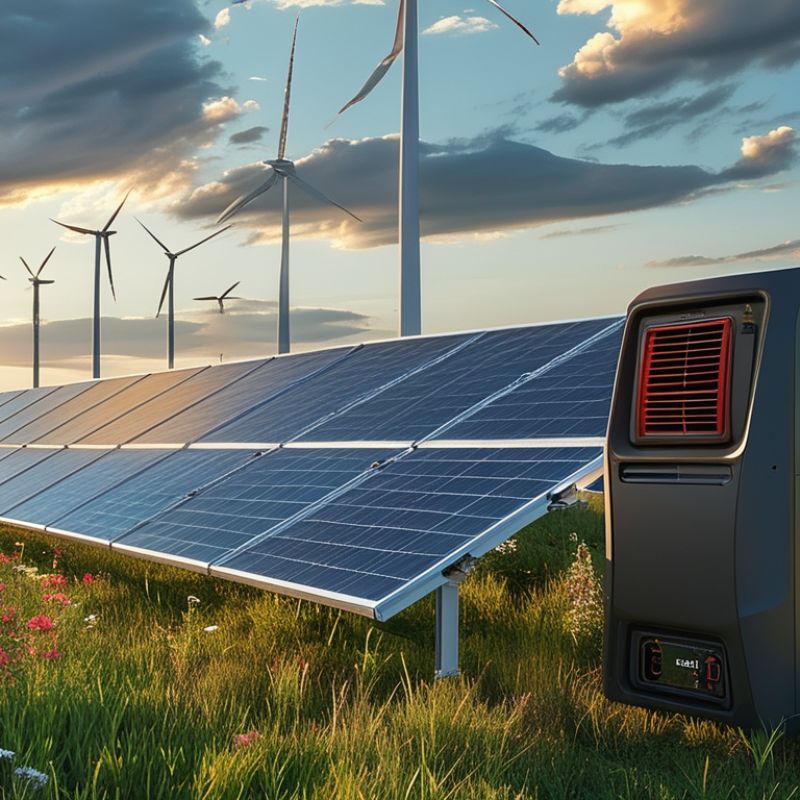
Inverters play a crucial role in home energy systems. They convert DC (direct current) from batteries or solar panels into AC (alternating current) for household appliances. Understanding different types of inverters is essential for effective use. There are three main types: pure sine wave, modified sine wave, and square wave. Each type serves unique functions that cater to various household needs.
Pure sine wave inverters are ideal for sensitive electronics. They provide clean power that helps devices perform efficiently. However, they tend to be pricier and might not fit every budget. Modified sine wave inverters are a more economical choice but can lead to overheating in some appliances. Square wave inverters are the least common and typically used for simpler applications. These differences highlight the importance of selecting the right type to avoid potential issues, such as device failure or inefficiency.
Users should reflect on their energy consumption. Knowing which appliances require stable power can guide the inverter choice. Additionally, understanding wattage is key. Overloading an inverter can lead to malfunctions. Therefore, assessing your home's energy needs is critical. This consideration ensures you choose an inverter that best serves your lifestyle while remaining cost-effective.
Key Factors to Consider When Selecting an Inverter for Residential Needs
When selecting an inverter for your home, consider key factors that affect performance and reliability. The inverter’s capacity should match your power needs. Calculate total wattage of devices you intend to use. Overloading can damage your system or cause malfunction.
Battery type is another critical consideration. Lithium batteries are lighter and more efficient, while lead-acid batteries are more affordable but larger. Assess your space and budget. Pay attention to the inverter's efficiency ratings. Higher efficiency means less energy loss.
Tips: Always check for safety features. Look for inverters with built-in protection against overloads and short circuits. Quality inverters often come with warranties, which reflect their reliability. Read reviews from actual users to gain insights.
Be cautious about installation. A poor setup can lead to issues. If unsure, consult with an expert. Professional installation can enhance longevity and efficiency. Remember, a good inverter is an investment in your home's energy future.
Top 10 Inverter for Home Use Buyers Guide 2026
| Inverter Type |
Power Output (Watts) |
Battery Compatibility |
Efficiency (%) |
Weight (kg) |
Warranty (Years) |
| Pure Sine Wave |
3000 |
AGM, Gel, Lithium |
90 |
25 |
3 |
| Modified Sine Wave |
1500 |
Lead Acid |
80 |
20 |
2 |
| Solar Inverter |
5000 |
Lithium, Lead Acid |
94 |
30 |
5 |
| Low Frequency Inverter |
6000 |
All Types |
92 |
35 |
4 |
| High Frequency Inverter |
2000 |
AGM, Gel |
85 |
15 |
3 |
| Stackable Inverter |
4000 |
Lithium |
93 |
28 |
5 |
| Micro Inverter |
1000 |
Lithium, Lead Acid |
88 |
10 |
2 |
| Bidirectional Inverter |
2500 |
AGM, Lithium |
91 |
22 |
4 |
| Off-Grid Inverters |
4500 |
All Types |
95 |
40 |
6 |
| On-Grid Inverters |
3500 |
Lithium, Gel |
89 |
18 |
3 |
Top Features of Inverters: Efficiency Ratings and Battery Compatibility
When choosing an inverter for home use, understanding efficiency ratings is vital. Efficiency determines how much energy the inverter converts. A high-efficiency rating, ideally above 90%, ensures minimal energy loss. A study by the National Renewable Energy Laboratory found that systems with higher efficiency save homeowners about 10-15% on energy costs annually.
Battery compatibility is equally crucial when selecting an inverter. Many inverters are designed to work with specific battery types. Lithium-ion batteries offer longer life spans and faster charging compared to lead-acid alternatives. According to the Battery University, lithium-ion batteries can achieve up to 3000 cycles, while lead-acid may only reach 500 cycles. This difference impacts the long-term performance and costs of energy systems.
Some consumers overlook the importance of matching inverters with batteries. Incompatibility can lead to reduced performance and potential system failures. It’s essential to consult technical specifications before making a choice. Moreover, installations aren’t always straightforward. Professional guidance may be required to ensure an optimal setup. Balancing efficiency and compatibility is crucial for maximizing energy savings and system reliability.
Market Trends: The Rise of Smart Inverters and Renewable Energy Integration
The recent surge in renewable energy is shaping the inverter market significantly. Smart inverters are at the forefront of this transformation. They offer features that enhance energy management and grid interaction. With solar panels becoming more common in homes, the need for efficient inverters rises. These devices can optimize energy consumption and minimize waste.
Smart inverters facilitate better communication between solar systems and the utilities. They can adjust output based on real-time data, improving overall efficiency. This technology allows homeowners to harness more energy from their solar setups. The integration of smart grids is essential for sustainable energy futures.
Yet, challenges persist. Many consumers are still unaware of how smart inverters work. Proper installation and maintenance are critical for these systems to function effectively. Without the right expertise, potential benefits may not be fully realized. The market calls for increased education on these products to ensure users can make informed decisions.
Market Trends in Home Inverters: 2026
FAQs: Addressing Common Buyer Concerns for Home Inverter Systems
When considering a home inverter system, buyers often have key concerns. One common question is about the inverter's capacity. Understanding how much power your devices require is crucial. A system that’s too small will fail to run essential appliances. Measure the wattage of your devices to ensure proper selection.
Another concern is battery life. Many users wonder how long the inverter can sustain power during an outage. Factors such as the type of battery and load usage heavily influence this. Lithium batteries offer longer life cycles compared to lead-acid ones. However, they often come at a higher cost.
Noise levels can also be a primary concern. Some inverters operate quietly, while others can be quite loud. Researching user reviews can provide valuable insights. Installation complexity is yet another area to consider. Some systems require professional installation, while others are user-friendly. Buyers should evaluate their comfort level with DIY projects too.