2026 Top Wireless Smart Switch Innovations for Smart Homes?
As smart homes evolve, the demand for innovative solutions continues to grow. The wireless smart switch is at the forefront of this transition. According to a report by MarketsandMarkets, the smart home market is expected to reach $174 billion by 2025. This rapid growth suggests that consumers are increasingly investing in convenience and connectivity.
Wireless smart switches play a vital role in enhancing home automation. They enable homeowners to control lighting and appliances remotely, improving energy efficiency. The global wireless switch market is projected to witness a CAGR of 29.2% between 2021 and 2026. This indicates a significant trend towards wireless solutions in home technology.
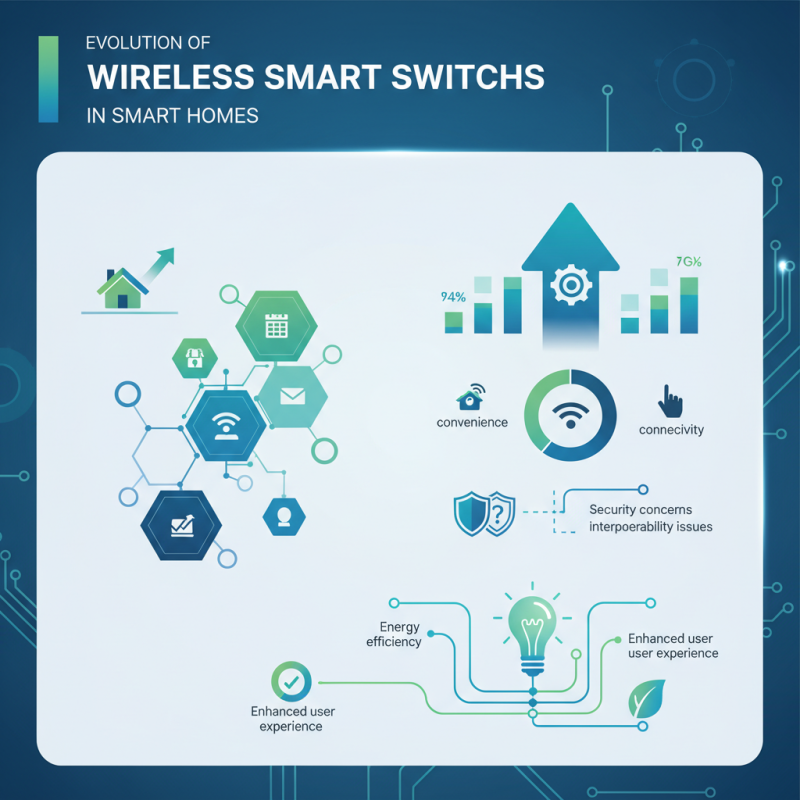
However, the adoption of these technologies is not without challenges. Security concerns and interoperability issues remain critical hurdles. Consumers often question the reliability of wireless networks. Thus, continuous improvement is necessary to meet user expectations. Companies must address these concerns while innovating to enhance user experience and functionality in the wireless smart switch landscape.
Key Features of Wireless Smart Switches for Modern Homes
Wireless smart switches are transforming modern homes. These devices allow users to control lights, fans, and appliances remotely. A recent report from MarketsandMarkets estimates the smart switch market will grow from $2.8 billion in 2021 to $5.4 billion by 2026. This growth highlights the increasing importance of smart home technology.
Key features of wireless smart switches include voice control, energy monitoring, and automation. Voice control enhances convenience. Users can simply command their devices without manual intervention. Energy monitoring helps track usage, leading to potential savings. Automation allows users to set schedules for devices, ensuring lights are off when not needed.
Tips: When selecting a wireless smart switch, consider compatibility with your existing devices. It’s crucial that your switch works seamlessly with your home infrastructure. Moreover, security is paramount. Look for devices with robust encryption to ensure your network remains secure.
Still, there are challenges. Some users report connectivity issues due to Wi-Fi interference. Understanding your home’s layout can help mitigate these problems. Exploring mesh networks might also improve connectivity for multiple devices. Balancing convenience with reliability is essential for a truly smart home experience.
2026 Top Wireless Smart Switch Innovations for Smart Homes
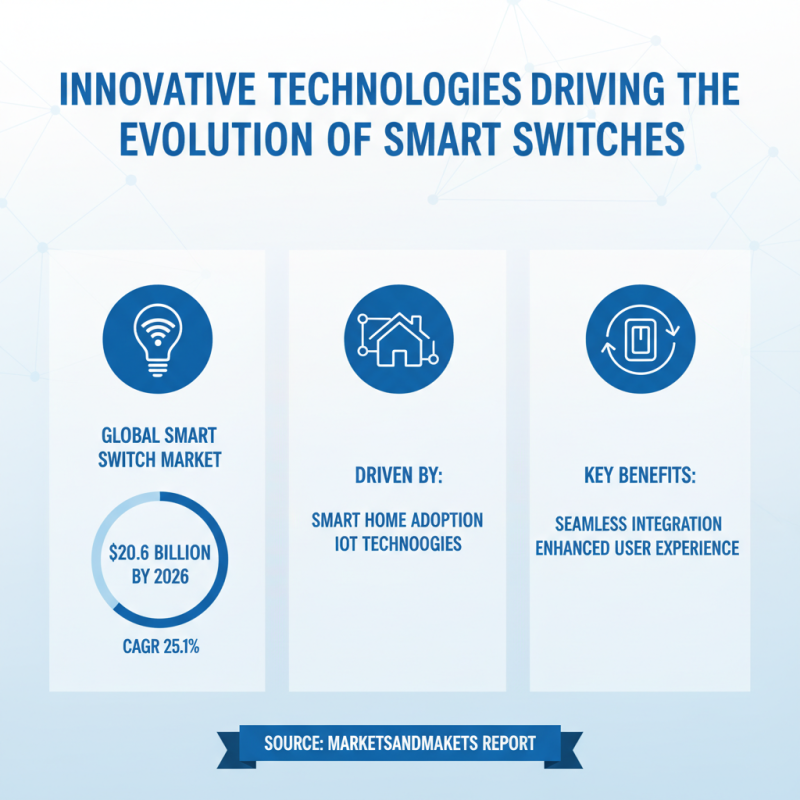
Innovative Technologies Driving the Evolution of Smart Switches
The evolution of smart switches has been remarkable, driven by innovative technologies. According to a report by MarketsandMarkets, the global smart switch market is projected to reach $20.6 billion by 2026, growing at a CAGR of 25.1%. This surge is influenced by the increasing adoption of smart home systems and IoT technologies. Smart switches now offer seamless integration with various home automation systems, leading to enhanced user experiences.
Wireless technologies play a key role in this evolution. Zigbee and Z-Wave protocols are popular due to their low power consumption and reliability. A study by Statista reveals that by 2025, over 75% of households in developed countries will have some form of smart technology. This shift demands intuitive switches that can be easily controlled via apps or voice commands. However, user adoption can be slow. Many are still unfamiliar with these technologies and their benefits.
The push for energy efficiency is another driving factor. Smart switches can monitor energy consumption, providing real-time feedback. This feature can lead to reduced energy costs, aligning with global sustainability trends. Yet, installers often face challenges. Ensuring compatibility with legacy systems is a common issue that requires careful planning. Overall, while the future looks promising, there are obstacles to address for full market potential.
Integration of Smart Switches with Home Automation Systems
The integration of smart switches with home automation systems is transforming how we manage our living spaces. According to recent industry reports, the smart home market is forecasted to reach $174 billion by 2025, with smart switches playing a pivotal role in this growth. They provide seamless control over lighting, heating, and security systems, enhancing convenience and energy efficiency.
Smart switches allow users to control devices through mobile apps or voice commands. Surveys indicate that about 70% of homeowners prefer smart devices that can be integrated easily into their existing setups. However, there are still hurdles to overcome. Compatibility issues between different brands hinder complete integration. Users often find themselves frustrated by these limitations, which can disrupt the user experience.
The user interface of smart switches also requires attention. While many are intuitive, some designs can be confusing. A study revealed that nearly 40% of users struggle to navigate their device interfaces. Clear instructions and improved design are critical to making these innovations accessible. As the industry evolves, addressing these imperfections will be essential for fostering widespread adoption.
User-Friendly Interfaces and Control Options for Wireless Switches
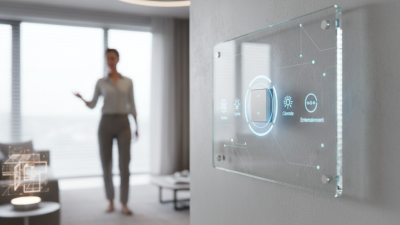
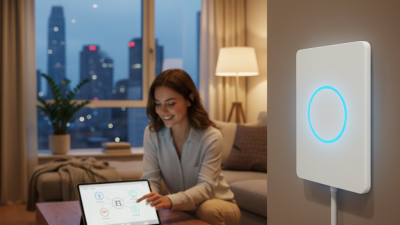
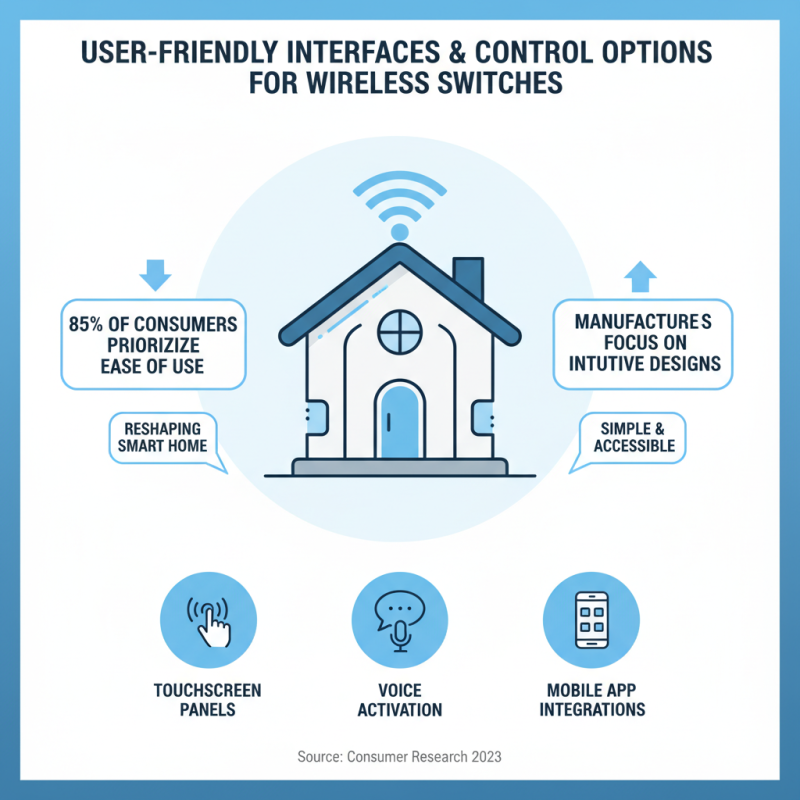
The push for user-friendly interfaces in wireless smart switches is reshaping the smart home landscape. Research shows that 85% of consumers prioritize ease of use when selecting smart home devices. This trend drives manufacturers to focus on intuitive designs. Touchscreen panels, voice activation, and mobile app integrations are increasingly standard in new models, making control simple and accessible.
Wireless switches are not only evolving in technology but also in how they connect with users. For example, a 2022 industry report indicated that 72% of homeowners favored devices that support multiple control options. This means users can switch their lights on using their smartphones, voice commands, or physical buttons seamlessly. However, the diversity of controls can sometimes confuse users. Finding the right balance between complexity and usability remains a challenge.
Recent innovations also improve compatibility with various smart home ecosystems. However, not all switches work with every device, leading to frustration. Often, users discover that their selected switch lacks integration capabilities with existing products. These inconsistencies highlight the need for better communication among manufacturers to streamline user experiences. Continuous user feedback will guide future developments in this field.
Security Considerations for Wireless Smart Switch Innovations
As smart homes evolve, security becomes a critical concern for wireless smart switch innovations. These devices enhance convenience but also introduce vulnerabilities. A significant risk lies in unauthorized access. When the switches are connected to the internet, they can be potential entry points for hackers. Malicious actors may exploit weak passwords or outdated firmware. This poses a serious threat to home security.
To mitigate risks, manufacturers should prioritize robust encryption. Implementing two-factor authentication can further enhance protection. Users must also take responsibility by regularly updating software and securing their network. Avoiding default usernames and passwords is essential. Additionally, monitoring network activity helps to identify unusual behavior, ensuring that devices operate safely.
Despite these advancements, some challenges remain. Many users lack technical knowledge, which can lead to oversight. Furthermore, security protocols are not always user-friendly, making it difficult for consumers to maintain best practices. Striking a balance between innovation and security is crucial for the future of smart home technology.