Why Choose a US Standard Smart Switch for Your Home Automation Needs?
Home automation is becoming increasingly popular among homeowners. One key component of this technology is the US Standard Smart Switch. These devices enhance convenience and efficiency in daily life. They offer seamless integration with various smart home systems, making them user-friendly and functional.
US Standard Smart Switches provide reliable control over lighting and electrical devices. They can be easily programmed to fit individual schedules. This flexibility allows users to save energy and reduce costs over time. However, some users may struggle with initial setup and compatibility issues. The learning curve can be discouraging for non-tech-savvy individuals.
Incorporating US Standard Smart Switches into your home may lead to a more efficient lifestyle, yet it requires consideration. Factors like installation ease and compatibility should be evaluated. As you weigh the pros and cons, remember that the investment in smart home technology ultimately aims to improve your daily routine.
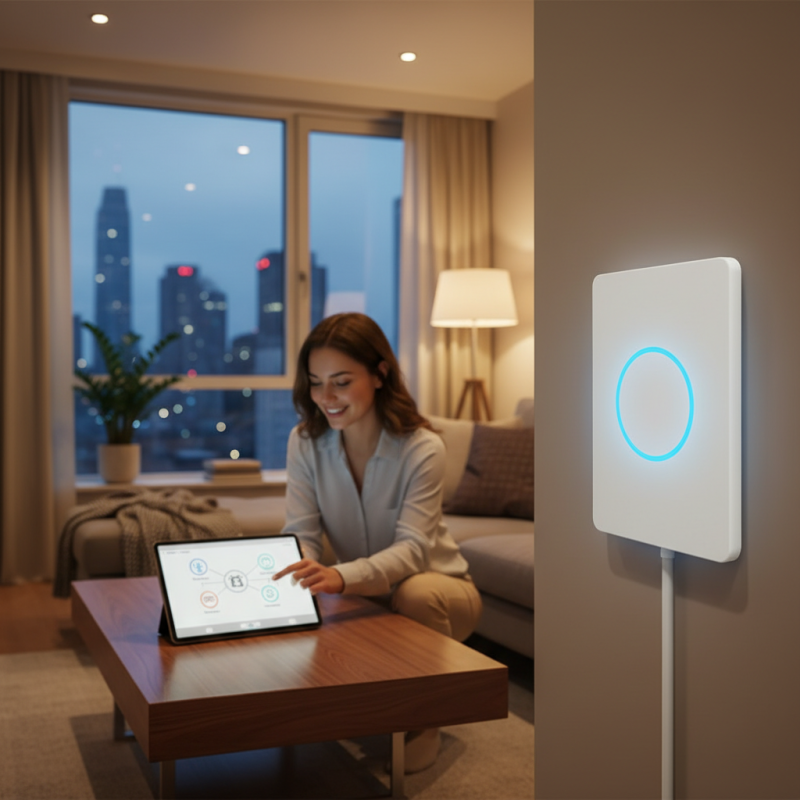
Benefits of US Standard Smart Switches in Home Automation Systems
When considering home automation, US standard smart switches offer several advantages. These switches are designed for easy integration with various smart home systems. They allow you to control lights and appliances conveniently from your smartphone or voice-activated devices. With sleek designs, these switches blend well with home decor. This aesthetic appeal adds a touch of modernity to any room.
Interoperability is another benefit. Many US standard smart switches seamlessly connect with other smart devices. This connection creates a cohesive environment where lighting, heating, and security work together. You can set schedules or automate responses based on your needs. However, not all devices may communicate perfectly with every smart switch. Some users encounter compatibility issues, leading to frustration.
Energy efficiency is a crucial consideration. Smart switches help monitor energy usage and reduce wastage. By using features like occupancy sensing, they turn lights off when no one is around. Yet, the initial setup can be daunting for some homeowners. Understanding all the features might take time. These moments of reflection are useful as they highlight the learning curve involved in adopting new technology.
Why Choose a US Standard Smart Switch for Your Home Automation Needs?
| Feature |
Description |
Benefit |
| Remote Control |
Control your lights and appliances from anywhere using your smartphone. |
Increased convenience and flexibility in managing your home. |
| Scheduling |
Set schedules for your lights to turn on/off automatically. |
Energy savings and added security by giving the appearance of being home. |
| Voice Control |
Compatible with virtual assistants like Alexa or Google Assistant. |
Hands-free operation for easy management of devices. |
| Energy Monitoring |
Track energy usage of connected devices in real-time. |
Better understanding of energy consumption helping to reduce bills. |
| Integration |
Works with other smart home systems and devices. |
Seamless experience across different smart home products. |
Compatibility with Various Smart Home Platforms and Devices
When considering home automation, compatibility is crucial. A US standard smart switch can seamlessly integrate with various smart home platforms. This includes popular ecosystems that many households use. It's essential to ensure your devices communicate effectively. This leads to a smoother user experience.
Tips: Always check device compatibility. Not all smart devices play well together. Researching user reviews can help. Look for features like voice control and mobile app integration. These can enhance your home automation setup significantly.
Incorporating a US standard smart switch may present challenges. Not every device will connect as expected. Some switches might face connectivity issues or require firmware updates. It's important to be patient and test different solutions. Reflect on your needs and preferences regularly. This will help you adjust your setup for optimum performance.
Smart Switch Compatibility with Home Automation Platforms
Energy Efficiency: How Smart Switches Help Reduce Electricity Usage
Smart switches are a game changer for home automation. They offer significant energy efficiency benefits. According to the U.S. Department of Energy, residential lighting accounts for about 11% of total electricity consumption. By switching to smart switches, homeowners can save a substantial amount on their energy bills. Smart switches allow users to control their lights remotely, setting schedules and timers. This functionality reduces unnecessary energy use.
Moreover, a study by the National Renewable Energy Laboratory found that homes equipped with smart technology could reduce energy usage by up to 30%. That’s a notable number. Smart switches contribute to this by enabling dimming, which can lower energy consumption further when full brightness isn't needed. However, not all users adopt these features. Some forget to set schedules or fail to utilize the manual controls.
It's also essential to consider the environmental impact. The use of smart switches can lead to lower overall greenhouse gas emissions. Still, a lack of awareness and understanding often holds back potential users. This gap shows there’s a need for better education on the benefits of energy-efficient technology. Homeowners can easily embrace a sustainable lifestyle when they make simple adjustments.
User-Friendly Interfaces: Simplifying Home Automation for All Ages
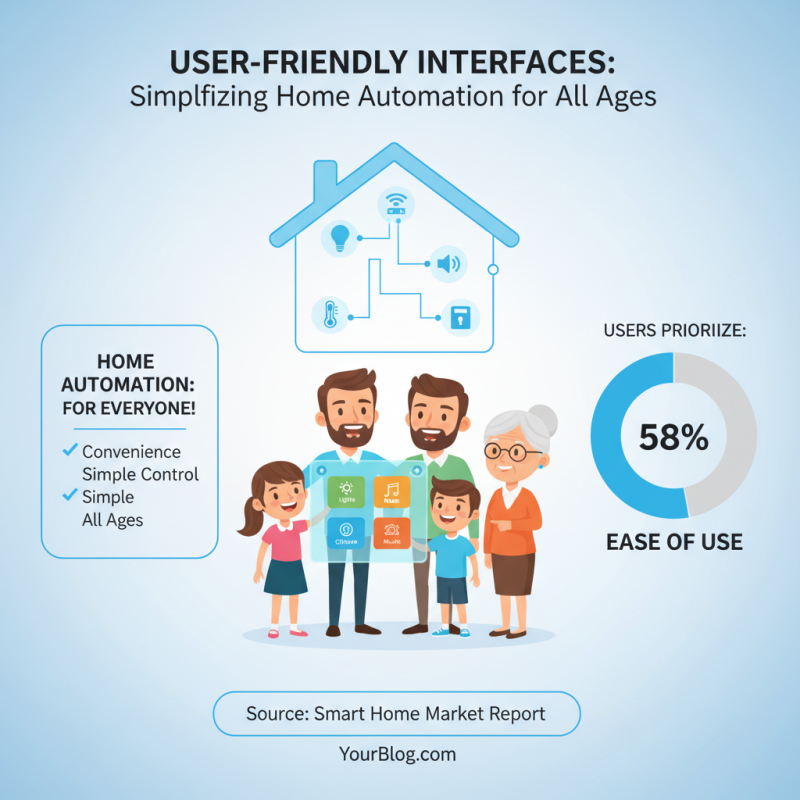
Home automation is becoming increasingly popular. It's not just for tech enthusiasts anymore. Many households are adopting smart devices for convenience. User-friendly interfaces play a crucial role in this trend. They allow people of all ages to navigate new technologies easily. According to a recent report from the Smart Home Market, 58% of users prioritize ease of use when choosing smart home devices.
These switches typically feature touchscreen controls or app integration. This makes them accessible not just for tech-savvy users but also for seniors and children. The straightforward design reduces confusion, encouraging family members to participate. A user interface that is intuitive can dramatically enhance user experience. Small adjustments can make a big impact, such as larger buttons or clear icons for quick actions.
**Tip:** Always look for smart switches that offer demo modes or tutorials. This can help users familiarize themselves before fully diving in.
User-friendly features can have unintentional drawbacks. Some designs might oversimplify controls, limiting advanced uses for experienced users. There needs to be a balance. The challenge is to cater to everyone, from beginners to experts. Future developments must keep this in mind, ensuring that all users can benefit from the growing home automation trend.
Enhanced Security Features: Protecting Your Home with Smart Technology
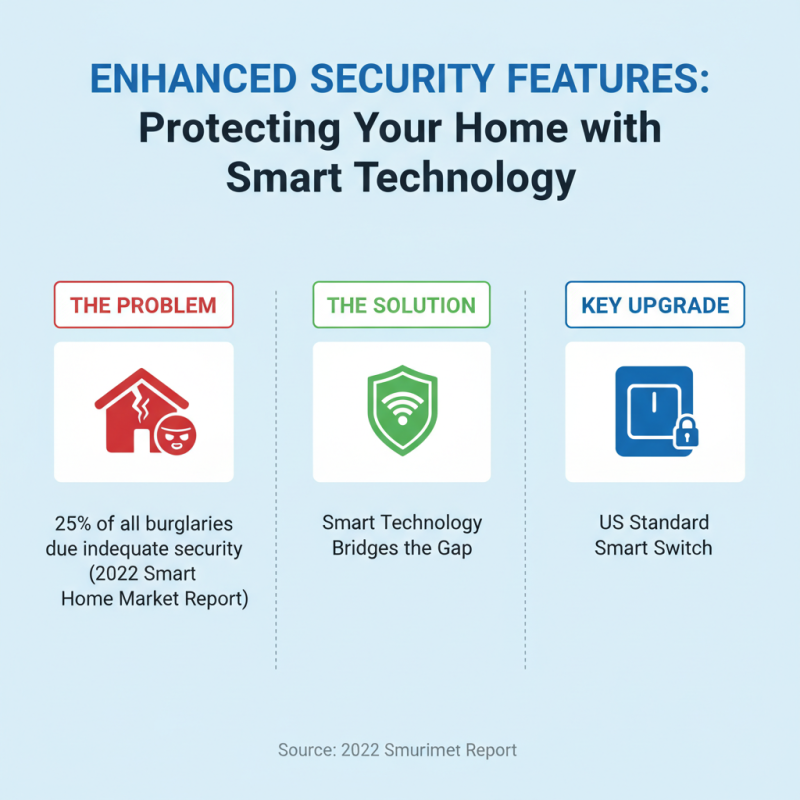
When considering home automation, enhanced security features are crucial. A US standard smart switch can significantly upgrade your home’s security. According to a 2022 Smart Home Market Report, nearly 25% of all burglaries occur due to inadequate home security measures. Smart technology can help bridge this gap.
Smart switches allow you to control lighting remotely. You can schedule lights to turn on and off, creating the illusion of occupancy. This simple feature can deter potential intruders. In addition, many smart switches now come with built-in motion sensors. These sensors alert homeowners of any unusual activity. However, some users may find false alarms frustrating, highlighting the need for constant refinement in technology.
Data shows that 60% of homeowners are concerned about security breaches. Smart switches with enhanced encryption help mitigate these fears. Yet, the sophistication of cyber threats is ever-evolving. While technology is improving, it may still fall short. Ongoing education on network security is essential. Users must stay informed about potential vulnerabilities in their systems.