Top Smart Power Strip Trends for 2026 What Buyers Should Know
As we approach 2026, the landscape of smart home technology continues to evolve rapidly. One of the most notable advancements is the Smart Power Strip. This innovation not only helps in managing power consumption but also enhances safety in homes. According to Dr. Emily Carter, a leading expert in smart technology, "Smart Power Strips are a vital addition to modern households, promoting efficiency and reducing energy waste."
With the increasing demand for energy-efficient devices, buyers should remain informed about Smart Power Strips. New features are emerging, like app integration and voice control, which make these devices more user-friendly. However, potential buyers often overlook certain aspects such as compatibility and energy monitoring capabilities. Understanding these factors is essential for making the right choice.
While Smart Power Strips offer convenience, they may not be the perfect solution for every household. Some products may have limited safety features, requiring careful consideration. It’s important to weigh the benefits against potential risks. As the market grows, ensuring the reliability of these devices remains a challenge. Awareness and research can lead to better decisions in a rapidly changing landscape.
Top Smart Power Strip Trends for 2026: An Overview of Innovations
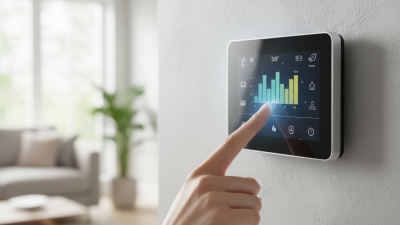
As we approach 2026, the innovations in smart power strips signal a shift towards smarter living. These devices are becoming key players in energy management. Enhanced features will include energy monitoring capabilities and the ability to analyze power consumption patterns. This data empowers users to make informed decisions about their energy use.
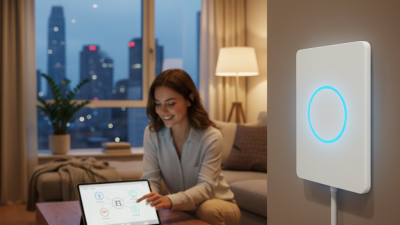
In addition to energy efficiency, design improvements will play a vital role. Smart power strips will likely become sleeker, fitting seamlessly into modern interiors. Furthermore, integration with smart home systems is expected to become standard. This means users can control and schedule devices via voice commands or mobile apps, providing convenience and flexibility in everyday life.
However, challenges remain. Not all smart power strips will be user-friendly or compatible with existing devices. As technology advances, there might be a learning curve for some users. It’s essential for buyers to stay informed about these innovations and consider their individual needs. Adaptability will be crucial in maximizing the benefits of these smart power solutions.
Top Smart Power Strip Trends for 2026
Integration of IoT Technology in Smart Power Strips: Key Features
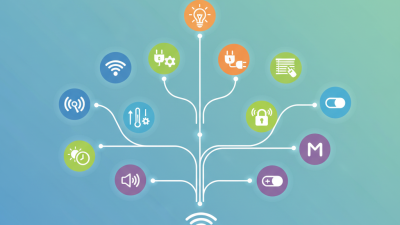
As smart power strips gain traction, the integration of IoT technology leads the charge. These devices are not merely about extending outlets; they are becoming central to smart home ecosystems. According to a recent market analysis by IQAir, the smart power strip market is expected to grow by over 20% annually through 2026. This growth reflects an increased demand for energy efficiency and automation in households.
Key features of IoT-integrated smart power strips include remote access and energy monitoring. Users can control devices from their smartphones, making it easier to manage power use. A study from the Energy Information Administration points out that homes using smart devices can potentially lower their energy consumption by up to 30%. However, while these benefits are clear, the environmental impact of the devices themselves can be challenging to assess.
Furthermore, interoperability remains a significant issue. Not all devices communicate seamlessly. Inconsistent protocols can cause frustration for users who expect interconnected convenience. This reflects a growing need for standardization in IoT devices to ensure optimal functionality. Despite these challenges, the continual evolution of smart power strips presents exciting opportunities for both energy savings and enhanced home automation.
Energy Efficiency and Sustainability Metrics in Smart Power Strips
As the world moves towards greater energy efficiency and sustainability, smart power strips are becoming essential devices. These strips help reduce energy consumption and minimize waste. They monitor energy usage and can automatically turn off devices when they are not in use. This technology not only saves energy but also contributes to a greener planet.
Tips for choosing smart power strips include looking for features such as the ability to track energy consumption. Consumers should look for products with programmable settings. This can help manage power for devices more effectively. Understanding energy metrics will allow users to make informed decisions.
Another key aspect is the design. Select power strips that have surge protection and are made from sustainable materials. This ensures longevity and reduces environmental impact. A common mistake is ignoring compatibility. Not every power strip will fit all devices. Always check specifications before purchasing.
Top Smart Power Strip Trends for 2026 - What Buyers Should Know
| Feature |
2026 Trends |
Sustainability Metrics |
Energy Efficiency Rating |
Target Consumer |
| Smart Connectivity |
Increased compatibility with smart home systems |
Eco-friendly materials used in production |
A++ |
Tech-savvy individuals |
| Power Monitoring |
Real-time energy usage feedback |
Reduces carbon footprint by 30% |
A+ |
Environmentally conscious users |
| Voice Control |
Integration with voice assistants |
Utilizes recycled plastics |
A |
Home automation enthusiasts |
| Surge Protection |
Improved surge protection technology |
Manufactured using renewable energy sources |
A++ |
Homeowners |
| USB Ports |
Multiple fast-charging USB outputs |
Minimal packaging waste |
A+ |
Families with multiple devices |
Consumer Demand and Market Growth Projections for Smart Power Strips
The demand for smart power strips has surged in recent years. Consumers are increasingly looking for energy-efficient solutions. These devices not only enhance convenience but also contribute to energy savings. A study shows that households are seeking ways to optimize their energy usage. Smart power strips allow users to monitor and control energy consumption effectively.
Market growth projections indicate a promising future for these products. Analysts anticipate significant increases in sales. Features such as mobile app integration and voice control appeal to tech-savvy consumers. Despite the advancements, not all smart power strips perform reliably. Some consumers report connectivity issues and compatibility challenges. Feedback is crucial for manufacturers to address these issues.
The rise of remote work has also impacted consumer behavior. Many people are redesigning their home offices, leading to increased interest in smart devices. As sustainability becomes a priority, smart power strips are well-positioned for growth. However, consumers should research before purchasing. Understanding the features and limitations is essential for making informed decisions.
Compatibility with Smart Home Ecosystems: A Competitive Advantage
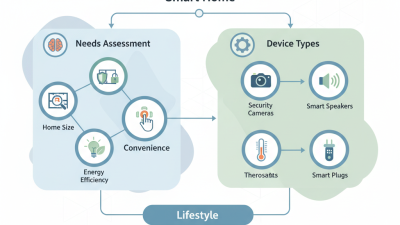
As smart home technology continues to evolve, compatibility with various ecosystems is becoming crucial for power strips. Buyers should look for smart power strips that effortlessly integrate into their existing setups. This is becoming a competitive advantage in the market. Whether you're using Amazon Alexa, Google Home, or Apple HomeKit, seamless integration enhances convenience.
These strips can manage multiple devices, schedule operations, and even monitor energy use. This ability not only saves time but also optimizes energy efficiency. Users can control their devices with simple voice commands. However, compatibility issues may arise with certain devices, leading to frustration. Awareness of these potential pitfalls can enhance customer experience.
**Tips:**
Always check compatibility with your preferred smart home platform before purchase. Research user reviews for insights into real-world performance. Keep in mind that features may vary across models, so careful evaluation is necessary. An imperfect fit can complicate your smart home experience. Being vigilant about your options ensures reliable functionality.