What is a Smart Push Button Switch and How Does it Work?
The Smart Push Button Switch represents a significant leap in home automation technology. This device enables users to control various appliances with just a simple touch. Its design focuses on user-friendliness and efficiency, making it an essential component of modern smart homes.
Understanding how a Smart Push Button Switch operates reveals its sophisticated functions. It connects via Wi-Fi or Bluetooth, allowing seamless communication with other smart devices. Users can customize settings to suit their lifestyle, providing convenience at their fingertips. However, the effectiveness of these switches may depend on network reliability and proper installation.
While these switches offer convenience, they also pose challenges. Users must ensure they understand their functions fully to avoid frustration. The interface can sometimes be overwhelming for those not tech-savvy. Despite these hurdles, the Smart Push Button Switch reflects the growing trend of integrating technology into everyday life.
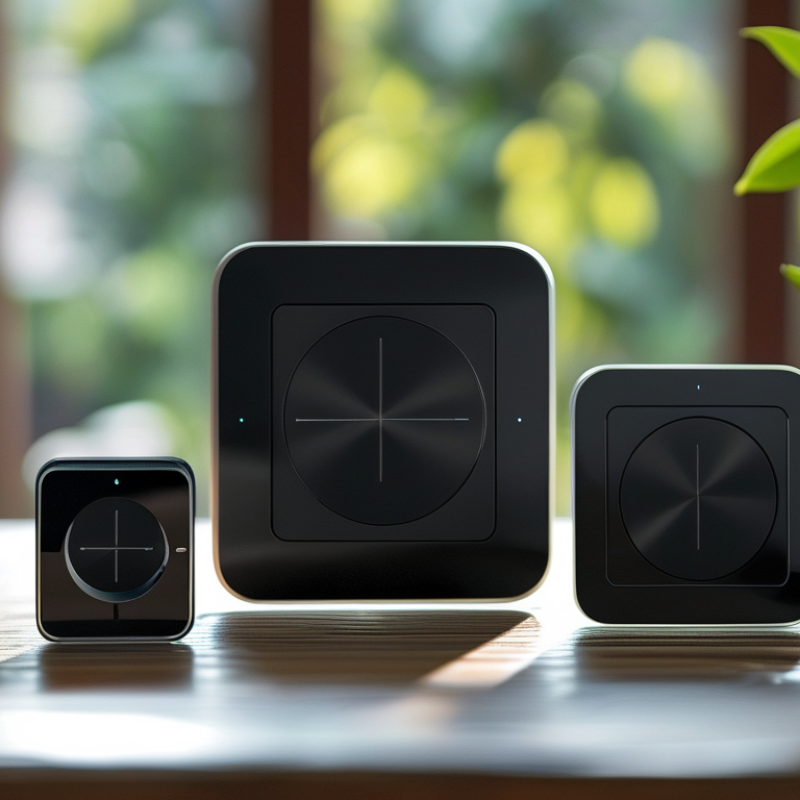
Definition and Overview of Smart Push Button Switch Technology
Smart push button switches represent a significant advancement in home automation technology. They are designed to provide an intuitive interface for controlling various devices with just a simple press.
These switches not only replace traditional light switches but also integrate seamlessly with smart home systems. They can manage lighting, heating, and security systems, offering convenience and efficiency.
The key to their functionality lies in their connectivity. Smart push button switches typically use wireless protocols like Wi-Fi or Zigbee. This connection enables remote operation through smartphones or voice assistants. Users can customize settings, such as timing or moods, which offers flexibility for different scenarios. However, implementing such technology requires consideration of network stability and compatibility with existing devices.
While these switches enhance lifestyle, they can also present challenges. Some users report initial difficulties in setup and connectivity issues. These bumps in the road highlight the importance of understanding one’s home network. Additionally, the cost of smart switch technology can be a barrier for some. Exploring these elements is crucial for anyone considering the transition to smart home technologies.
Key Components and Features of Smart Push Button Switches
Smart push button switches are becoming increasingly popular in modern homes and offices. These devices integrate advanced technology to provide users with enhanced control over their lighting and appliances. Understanding the key components and features of these switches is essential for anyone looking to upgrade their space.
One of the main components of a smart push button switch is its connectivity. Many models utilize Wi-Fi, Zigbee, or Bluetooth to connect with smartphones or smart home systems. This allows for easy remote access. Additionally, many switches feature customizable buttons. Users can program these buttons for specific actions. For example, a single press may turn on the lights while a long press might dim them.
When selecting a smart switch, consider its compatibility with existing devices. Not all smart switches work with every system. Also, pay attention to the ease of installation. Some models require professional help, while others are user-friendly.
Tips: Always check user reviews. They can provide insights into real-world performance. If unsure, seek expert advice before installing. Researching options can save time and potential issues down the line. Remember that not every feature may be necessary for your needs. Focusing on what works best for your environment is vital.
Smart Push Button Switch Features and Components
How Smart Push Button Switches Enhance Home Automation Systems
Smart push button switches play a crucial role in modern home automation systems. These switches allow users to control various devices with a simple touch. Reports from research firms indicate that the global smart home market is projected to grow at a CAGR of over 30% through 2025. This surge is largely driven by the demand for innovative home automation solutions.
Integrating smart push button switches enhances user experience significantly. These devices provide quick access to features like lighting, climate control, and security systems. A 2022 study noted that households using smart switches reported a 20% increase in energy efficiency. Users gain convenience and can monitor energy usage remotely. However, it’s essential to consider potential security risks. Without proper security measures, smart devices may be vulnerable to hacking. Regular software updates and secure network practices are essential for user safety.
Moreover, the aesthetics of smart switches contribute to their adoption. Many designs complement modern home interiors. However, not all smart switches are compatible with existing systems. This inconsistency can frustrate users and lead to increased costs for upgrades. Homeowners should research compatibility before making investments in smart technology.
The Role of Smart Push Button Switches in IoT Ecosystems
Smart push button switches are transforming the way we interact with devices in an Internet of Things (IoT) ecosystem.
They serve as a vital interface, connecting users to their smart environment. These switches can control lights, thermostats,
and security systems, enhancing convenience and efficiency. When you press a button, it sends a signal to connected devices,
allowing for seamless operation.
In an IoT system, smart push button switches offer reliability. They function even in low-power modes, ensuring devices remain
responsive. Yet, this technology isn’t without its flaws. Interference may disrupt signals, leading to momentary lapses in
control. Such inconsistencies challenge user trust. Proper installation and placement are essential to maximize their effectiveness.
The integration of these switches encourages innovation. They can be programmed to execute multiple functions with a
single press. This versatility adds layers of complexity to home automation. However, users must stay aware of potential security
risks. As these devices gather data, securing them against unauthorized access is imperative. Understanding these dynamics
is crucial for anyone looking to leverage the full potential of smart push button switches in an IoT landscape.
Benefits and Challenges of Implementing Smart Push Button Switches
Smart push button switches are gaining popularity for their convenience. They offer various benefits, but challenges also arise.
The primary advantage is user control. These switches allow for remote operation, enhancing the smart home experience. Users can control lighting, appliances, and security systems with a simple tap. This simplicity can make everyday tasks more manageable. These switches integrate with various smart home systems, providing convenience.
Despite the benefits, there are challenges. Installation can be complex. Some users may struggle with configuring these devices. Additionally, reliability can vary. Connectivity issues may disrupt the user experience. Users need to ensure their Wi-Fi and devices are compatible.
Tip: Before purchasing, research compatibility with your existing system. Ensure you understand installation requirements. This knowledge can prevent future frustration.
Another challenge is security. Smart devices can be vulnerable to hacking. Users should implement strong passwords and update firmware regularly.
Tip: Regularly check for updates. Keeping devices secure prevents unauthorized access. This step is crucial for maintaining control over your smart environment.
What is a Smart Push Button Switch and How Does it Work? - Benefits and Challenges of Implementing Smart Push Button Switches
| Feature |
Description |
Benefits |
Challenges |
| Wireless Connectivity |
Allows for remote control and automation. |
Enhanced convenience and control over devices. |
Dependency on a reliable wireless network. |
| User Interface |
Often includes touchscreen or smartphone app functionality. |
Intuitive controls and customization options. |
Learning curve for less tech-savvy users. |
| Energy Efficiency |
Designed to minimize energy consumption. |
Lower utility bills and eco-friendliness. |
Initial setup may require additional costs. |
| Integration |
Can integrate with smart home systems. |
Seamless operation with other smart devices. |
Compatibility issues between different brands. |
| Durability |
Built to withstand frequent use and environmental changes. |
Longer lifespan compared to traditional switches. |
Potential for electronic failure over time. |