2026 Top Inverter for RV Which One Is Best?
Choosing the 2026 Top Inverter for RV is not simply a matter of picking the highest wattage. The right model should match your travel habits, battery bank, appliances, and campsite expectations. A quiet inverter can keep a refrigerator running overnight, charge laptops, and power a coffee maker without disturbing nearby campers. That practical balance matters more than impressive figures on a product box.
This guide examines the leading options for different RV lifestyles. It considers continuous power, surge capacity, efficiency, waveform quality, cooling performance, installation demands, and warranty support. Pure sine wave output is especially important for sensitive electronics, including medical equipment, induction cookers, and modern televisions. Real-world details matter. A 2,000-watt unit may handle everyday devices, but it could struggle when an air conditioner starts.
Small differences matter.
Field experience also reveals uncomfortable trade-offs. A powerful inverter can drain batteries quickly, create heat, and require thicker cables. A compact model may save space but limit future upgrades. Marketing language can sound convincing, yet actual performance depends on wiring, ventilation, battery condition, and correct installation. This comparison aims to separate useful features from attractive distractions.
No single Inverter for RV is perfect for every traveler. Weekend campers, full-time RV owners, and boondocking enthusiasts need different solutions. The best choice should deliver dependable power, safe operation, and predictable performance over time. Before buying, readers should verify electrical specifications and consult a qualified installer when necessary. Even this guide has limits, because real conditions can differ from laboratory testing.
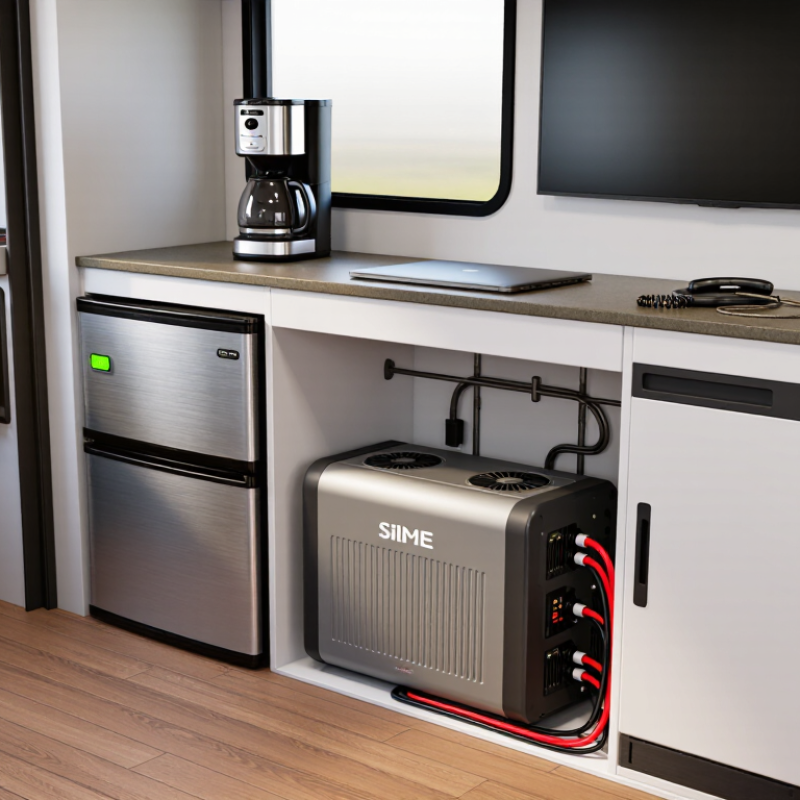
What Is an RV Inverter and How Does It Work?
2026 Top Inverter for RV: Which One Is Best?
What Is an RV Inverter and How Does It Work?
An RV inverter changes battery power from direct current into household-style alternating current. It lets you run selected appliances without connecting to campground electricity. The inverter uses electronic switches to change the battery’s steady flow into rapid electrical pulses. A transformer and control circuit then shape those pulses into usable AC power. Pure sine wave output closely matches utility electricity. It suits sensitive devices, including medical equipment, chargers, and modern televisions. Modified wave output may cost less, but some appliances can run noisily or inefficiently.
Choosing the best inverter requires more than reading its maximum wattage. Start with the appliance’s running load, then include its starting surge. A refrigerator compressor or coffee maker can briefly demand much more power. Check continuous and peak ratings separately. Battery capacity also matters, because high AC loads can drain batteries quickly. In practical RV setups, idle consumption is easy to overlook. I still find that real loads sometimes exceed estimates. No calculation is perfect.
Tips:
List every appliance you may use together. Add their running watts and expected startup surge. Keep sensitive electronics on pure sine wave power. Install proper fusing near the battery, use short heavy cables, and allow ventilation. Test the system with a small load first. Stop if cables become hot, connections loosen, or unusual odors appear.
Which Inverter Types Are Best for Different RV Power Needs?
2026 Top Inverter for RV: Which One Is Best?
The best RV inverter depends on the appliances you use, not the largest number on the box. A pure sine wave inverter suits sensitive devices, including laptops, induction cookers, medical equipment, and modern televisions. It produces cleaner power and usually runs motors more quietly. For basic phone charging, lights, or a small fan, a modified sine wave model may cost less. However, some chargers can run hotter or make unusual buzzing sounds.
An inverter charger works well for RV owners who regularly connect to campground power. It can charge the battery bank and switch between shore power and battery power automatically. A standalone inverter is simpler for occasional off-grid trips. Check both continuous and surge ratings. A refrigerator may need a brief startup surge far above its running demand. I once underestimated that surge and experienced repeated shutdowns. The calculation looked correct, but real appliances behaved differently.
Tips:
Add the running watts of your essential devices, then allow 20–30% extra capacity. Measure the battery bank’s usable energy, not only its advertised capacity. Keep cables short, thick, and properly protected. Ventilation matters, even in cool weather. If you use high-power heating appliances, an inverter may drain batteries surprisingly fast. That limitation is easy to overlook.
How to Compare the Top RV Inverters in 2026
2026 Top Inverter for RV: Which One Is Best?
How to Compare the Top RV Inverters in 2026
RV power systems are becoming more demanding. The RV Industry Association reported 313,174 wholesale shipments in 2023, showing continued interest in mobile living. Many owners now run induction cookers, medical equipment, laptops, and refrigeration from limited battery banks.
Start with continuous output, not the impressive peak number. A 2,000-watt inverter may struggle with a microwave and refrigerator starting together. Pure sine-wave output is usually safer for sensitive chargers and motor-driven devices. The U.S. Department of Energy notes that common inverter efficiency ranges from 90% to 95%. A five-percent loss still matters during a cold night. Check idle consumption, too. Some units quietly waste power while appearing inactive. That detail is easy to miss.
Tips: List every appliance, its running watts, and its startup demand. Test the inverter with a clamp meter if possible. Confirm battery voltage, cable size, ventilation, overload protection, and transfer-switch compatibility. Safety certification should match your region’s requirements. In my view, a slightly smaller inverter with lower idle draw can outperform a larger model in real camping. That is not always obvious. I would also question advertising based only on peak watts. It sounds impressive, but daily comfort depends more on stable output, cooling, and battery endurance. The National Renewable Energy Laboratory also emphasizes that system losses should be included when estimating usable energy, not ignored in ideal calculations.
What Features Matter Most When Choosing an RV Inverter?
Choosing an RV inverter starts with the appliances you actually use, not the largest number on a box. A coffee maker may need 1,200 watts, while its starting surge can briefly rise higher. Add the refrigerator, chargers, and television before selecting continuous and peak ratings. Leave a practical margin of 20 to 30 percent. Size matters. Oversizing can increase cost, weight, and idle battery drain.
Output quality matters when powering sensitive electronics. Pure sine wave output usually provides cleaner power for modern chargers, medical equipment, and motor-driven appliances. Check the inverter’s input voltage, because a 12-volt system cannot be treated like a 24-volt setup. Efficiency at common loads matters too. An impressive peak efficiency figure may hide poor performance while the RV is parked. Look for low idle consumption, adjustable low-voltage shutdown, and clear battery monitoring.
Installation features deserve equal attention. Built-in overload, short-circuit, thermal, and reverse-polarity protection can reduce damage during stressful moments. A remote panel helps when the inverter sits near the battery compartment. If shore power is involved, use a properly rated transfer switch and qualified installation. I once focused too much on wattage and overlooked cable length; voltage drop became the real problem. That mistake still shapes my checklist. Verify ventilation, cable size, grounding, certification, and warranty terms before purchase. Some specifications remain vague. Ask for test conditions.
How to Select the Best Inverter for Your RV Setup
Choosing the best inverter for your RV starts with your actual loads, not its advertised wattage. The RV Industry Association reported 342,220 wholesale RV shipments in 2024, showing how varied modern RV electrical setups have become. List every device, including a refrigerator, laptop, coffee maker, and microwave. Record running watts and startup watts. Motors can briefly demand two or three times their normal power.
A 2,000-watt inverter may run a small kitchen appliance, but it may struggle with a microwave and battery charger together. Pure sine-wave output is usually the safer choice for sensitive electronics and motor-driven equipment. NREL’s 2024 photovoltaic cost benchmark uses approximately 96% inverter efficiency. RV conditions can be less ideal, especially with heat, long cables, and aging batteries. I would allow 15–25% extra capacity. Bigger is not always better; oversized units can waste energy during light loads.
Tips: Measure cable length before buying. Keep high-current cables short and properly sized. Check continuous and peak ratings separately. Confirm the battery bank can supply the required current. A 2,000-watt load at 12 volts can draw more than 165 amps before losses. Use a fuse near the battery, follow RV electrical standards, and have a qualified technician inspect unfamiliar wiring. My own mistake was trusting a label instead of measuring real usage. That lesson still matters.